425 North Wilson Rd, Round Lake, IL 60073


Why You Should Not Wear Dentures All Day?

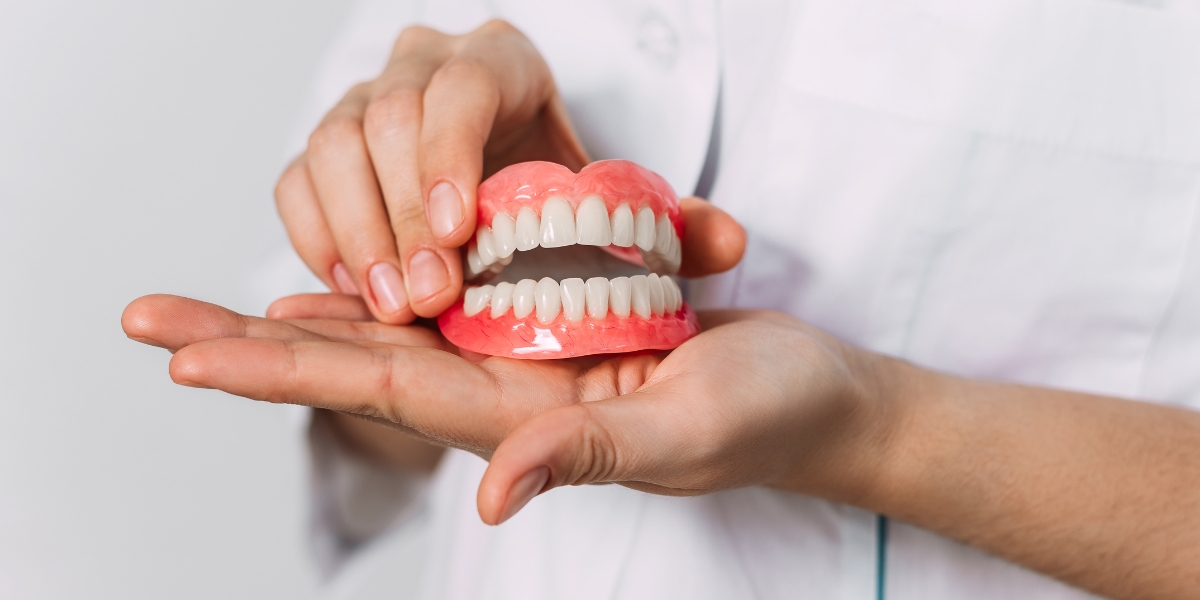
Dentures can make a significant difference in the lives of people who have lost teeth. They help restore the ability to eat, speak, and smile with greater confidence. Although dentures are designed for daily use, they should not stay in your mouth all the time. Many people are surprised to learn that wearing dentures for too many hours without a break can affect their oral health.
Just like your body needs rest after a busy day, your gums and oral tissues need time to recover from the pressure dentures place on them. Understanding why these breaks matter can help you avoid discomfort and keep your mouth healthier over the long term.
Your Gums Need Time to Recover
Even well-made dentures place constant pressure on your gums. Throughout the day, your gum tissues support the weight of the dentures while helping you chew and speak. Over time, this pressure can leave your gums feeling tender and irritated.
When dentures stay in place for too long, sore spots may develop. Giving your gums a chance to rest each day allows the tissues to recover naturally and remain healthier. This simple habit can make wearing dentures much more comfortable in the long run.
If you wear dentures regularly, visiting a trusted dentist in Round Lake, IL can help ensure they fit properly and do not place unnecessary stress on your gums.
Bacteria Can Build Up More Easily
Your mouth naturally contains bacteria, and dentures create additional surfaces where those bacteria can collect. Tiny food particles and plaque can become trapped underneath or around dentures throughout the day.
If dentures are not removed and cleaned regularly, bacteria and yeast can multiply. This may increase the risk of irritation, unpleasant odors, and infections affecting the soft tissues of the mouth. Removing dentures daily and cleaning them thoroughly helps create a healthier environment for your gums.
Wearing Dentures Continuously May Affect Your Jaw
After teeth are lost, the jawbone gradually changes because it no longer receives stimulation from natural tooth roots. Dentures help restore appearance and function, but they cannot fully replace that natural stimulation.
Over time, the shape of your jaw and gums may slowly change. These changes can affect how dentures fit and feel. Regular dental checkups can help monitor these changes and ensure your dentures continue to fit comfortably.
Bad Breath Can Become a Problem
Many denture wearers notice that their breath feels less fresh when dentures are not cleaned properly. Food particles, plaque, and bacteria can collect on denture surfaces and contribute to unpleasant odors.
Removing your dentures every day and cleaning them carefully helps reduce bacterial buildup. Allowing your mouth to rest overnight can also help keep your breath fresher and your mouth feeling cleaner.
Dentures May Start Feeling Loose
The tissues beneath dentures are not static. They can change over time, especially when they are exposed to constant pressure without breaks. As the gums and underlying bone shift, dentures may begin to feel less secure.
Loose dentures can make eating more difficult and may affect your speech. They can also rub against the gums, causing additional irritation. Taking dentures out as recommended and having them checked periodically can help maintain a comfortable fit.
Dry Mouth Can Develop
Saliva plays an important role in protecting your oral health. It helps wash away food particles, reduces bacteria, and keeps the tissues inside your mouth moist and comfortable.
Some denture wearers experience dry mouth, particularly when dentures are worn for long periods without rest. A lack of saliva can make the mouth feel uncomfortable and may increase the risk of irritation and infection. Removing dentures at night gives your mouth a chance to recover and function more naturally.
Oral Hygiene Becomes More Difficult
Good oral hygiene involves more than cleaning your dentures. Your gums, tongue, and any remaining natural teeth also need daily care. Wearing dentures around the clock can make it harder to keep these areas clean.
A healthy denture-care routine should include:
- Removing dentures every day
- Cleaning dentures thoroughly
- Gently brushing the gums and tongue
- Rinsing the mouth regularly
- Following your dentist’s recommendations for denture care
These simple steps can help keep your mouth healthier and your dentures in better condition.
Some People Experience Material Sensitivities
Although uncommon, some individuals may be sensitive to certain materials used in dentures. When dentures remain in constant contact with oral tissues, irritation may become more noticeable.
Signs of sensitivity can include redness, soreness, or swelling. If these symptoms continue, it is important to contact with your dentist. Adjustments or alternative materials may provide a more comfortable solution.
Protect Your Smile by Giving Your Mouth a Break
Dentures are an excellent solution for replacing missing teeth, but they are not meant to be worn 24 hours a day. Removing them regularly allows your gums and oral tissues to rest, reduces the risk of irritation and infection, and helps maintain better oral health.
At Round Lake Family Dentistry, we help patients enjoy the benefits of comfortable, well-fitting dentures while protecting their long-term oral health. Schedule an appointment today to have your dentures evaluated and keep your smile looking and feeling its best.
Frequently Asked Questions
Should I remove my dentures every night?
Yes. Most dentists recommend removing dentures before bed to give your gums time to recover and reduce the risk of oral health problems.
What happens if I wear my dentures all the time?
Wearing dentures continuously may increase the risk of gum irritation, infections, bad breath, and changes in denture fit over time.
How often should dentures be cleaned?
Dentures should be cleaned every day to remove plaque, bacteria, and food particles that can accumulate during normal use.
Can sleeping with dentures cause problems?
Yes. Sleeping with dentures may increase the chances of gum inflammation, fungal infections, and oral discomfort.
How often should denture wearers visit the dentist?
Even if you wear full dentures, regular dental visits are important. Your dentist can check the condition and fit of your dentures and examine your oral tissues for potential concerns.