425 North Wilson Rd, Round Lake, IL 60073


How Do Dentures Stay in Place? Key Factors You Should Know

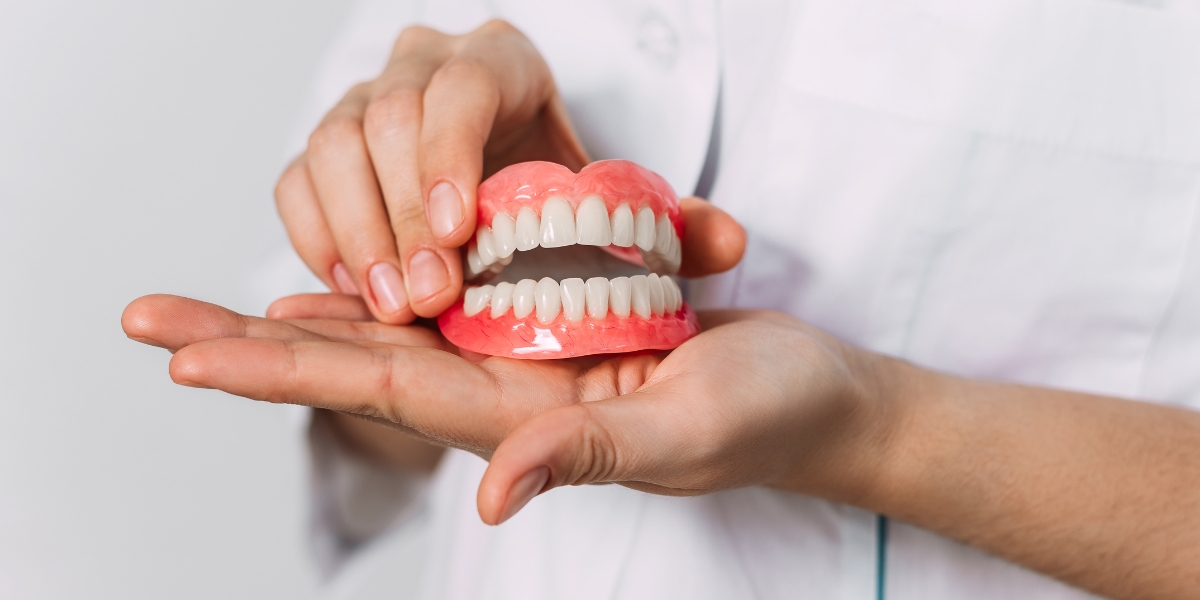
Have you ever worried that your dentures might move while you are laughing with friends or enjoying dinner with your family? It is a common concern, especially for people who have recently started wearing dentures. Knowing how dentures stay in place can help you understand what feels normal and when something may need attention.
Dentures do not stay secure through one mechanism alone. Their fit, the shape of your mouth, saliva, and the way your facial muscles move all play a part. Some people also need additional support to feel comfortable throughout the day. Let’s look at what helps dentures stay steady and what you can do if yours keep slipping.
What Keeps Dentures in Place?
Think of dentures as an appliance that needs to work with your mouth, not against it. The base rests on your gums, and its shape helps determine how well it stays put during everyday activities.
A Fit That Matches Your Mouth
Your gums and jaw are different from anyone else’s. Dentures must be shaped to match these contours as closely as possible. When the fit is right, they can feel stable during ordinary activities without putting unnecessary pressure on one spot.
Upper dentures usually cover part of the roof of the mouth. This broader contact area can help form a seal. Lower dentures have less room to rest on and must accommodate the tongue, so keeping them steady can be more challenging.
The Small but Important Role of Saliva
Saliva helps create contact between the denture base and the tissues underneath it. This thin layer of moisture contributes to the seal that helps some dentures stay in position.
If your mouth often feels dry, wearing dentures may become less comfortable. Certain medications, dehydration, and other factors can contribute to dry mouth. If dryness is persistent, mention it to your dentist rather than assuming your dentures are the problem.
Why Do Dentures Sometimes Become Loose?
Even dentures that once fitted well can start moving. The reason is not always obvious, but changes in your mouth are often part of the explanation.
Your Jaw Changes Over Time
After natural teeth are lost, the jawbone can gradually shrink and change shape. Your gums and the tissues covering the bone may change as well. As a result, a denture that once sat snugly may develop spaces underneath it.
You might notice that it rocks while chewing, lifts when you speak, or needs more adhesive than before. These changes are good reasons to schedule a dental checkup.
Your Bite and Daily Habits Matter
Chewing mostly on one side can place uneven pressure on your dentures. A denture that does not align properly with your opposing teeth may also move more than expected.
Your tongue, cheeks, and lips influence stability, too. Dentures need to fit comfortably while allowing these muscles to move naturally. A dentist in Round Lake, IL can check whether the problem comes from the fit, the bite, or the denture’s shape.
How Dentures Stay in Place Without Adhesive
If you would rather avoid adhesive, start by understanding the support your dentures should provide on their own. The answer to how dentures stay in place without adhesive usually involves a close fit, the natural shape of your mouth, and contact between the denture and oral tissues.
Upper dentures may benefit from a seal against the roof of the mouth. Lower dentures rely more on their fit and how well they work with the tongue and surrounding muscles.
Some people with ongoing stability problems may consider implant-supported dentures. Dental implants provide anchoring points for a denture, using attachments or a connecting bar depending on the design. This approach requires a professional assessment to determine whether it is suitable.
Adhesive is not essential for everyone. However, if your dentures repeatedly move, the best first step is to find out why rather than trying to hold them in place with more product.
Everyday Ways to Reduce Denture Slipping
A few simple changes can make daily denture use easier. They will not replace a professional adjustment when one is needed, but they may help you manage common challenges.
Adjust How You Eat
If you are new to dentures, begin with softer foods and smaller bites. Chew slowly and try using both sides of your mouth. This helps distribute pressure instead of pushing the denture unevenly.
Give yourself time to adjust. If chewing remains painful or difficult, ask your dentist for advice instead of avoiding a growing list of foods.
Clean Your Dentures Every Day
Food debris can collect beneath dentures and irritate your gums. Remove and clean your dentures daily with a denture brush and a product suitable for your appliance. Clean your tongue and gums gently, too, and care for any remaining natural teeth.
Know When Adhesive May Help
Denture adhesives can offer extra retention for some wearers. Use them according to the package directions and avoid applying more than recommended.
Adhesive should not become a substitute for a proper fit. If you need increasingly large amounts to keep your dentures in place, arrange an examination.
When Should You Get Your Dentures Checked?
You should not have to put up with dentures that repeatedly shift, rub your gums, or make conversations uncomfortable. Persistent soreness, difficulty chewing, and changes in how your dentures sit all deserve attention.
Depending on the cause, your dentist may recommend adjusting the denture, relining its base, replacing it, or discussing other options.
If you have concerns about denture comfort, Round Lake Family Dentistry can help you explore appropriate next steps. A dentist can assess your oral tissues and denture fit and explain which options may suit your situation.
Schedule an appointment to discuss your denture concerns and find a practical path toward a more comfortable fit.
Frequently Asked Questions
Can dentures stay in place all day without adhesive?
They can, provided the fit and supporting tissues allow adequate retention. Some people need additional help, so the right approach depends on their individual circumstances.
Why do my dentures slip when I talk?
Movement may result from a poor fit, changes in your gums, or a denture design that interferes with normal tongue and cheek movement. A dental evaluation can help identify the cause.
Are lower dentures more likely to move?
Lower dentures can be harder to stabilize because they have less supporting surface area and must work around the tongue. Appropriate adjustments or implant support may help some patients.
Will denture adhesive make loose dentures fit properly?
Adhesive may improve retention, but it cannot correct every underlying fit problem. Dentures that repeatedly slip should be examined by a dental professional.
How can I tell when my dentures need adjustment?
Watch for new soreness, rocking, difficulty chewing, or a noticeable change in fit. Contact your dentist if these problems develop rather than trying to reshape the dentures yourself.