425 North Wilson Rd, Round Lake, IL 60073


Signs You Need a New Mouthguard: When to Replace It

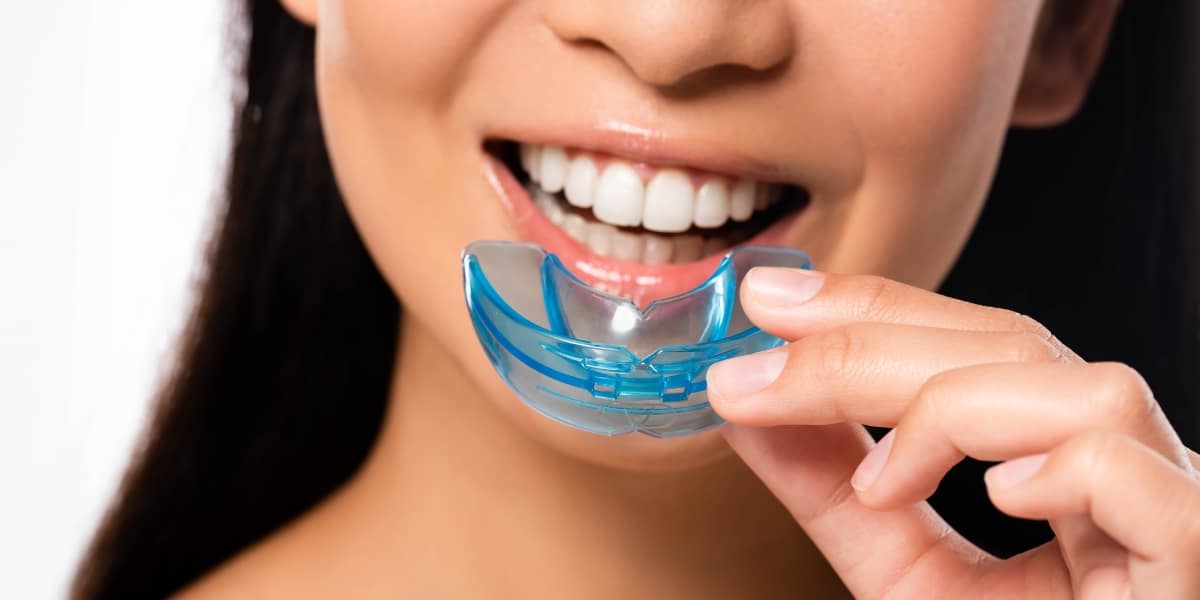
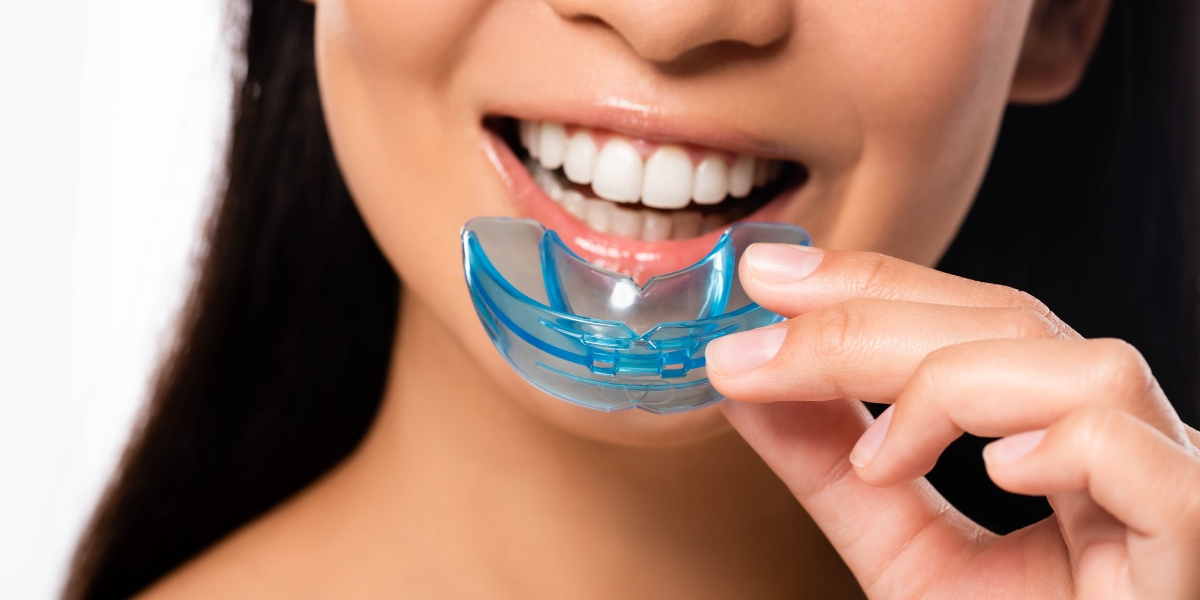
A mouthguard is one of those things you may not think much about—until it starts feeling different. Maybe it no longer fits as snugly as it once did. Maybe you notice a rough edge, a deep bite mark, or a smell that does not go away after cleaning it.
The problem is that a mouthguard can slowly wear out without making it obvious. Whether you wear one for sports or use a nightguard to protect your teeth from grinding, knowing when to replace a mouthguard can help you avoid relying on something that is no longer in good shape.
The good news is that you do not need to inspect it every day with a magnifying glass. A few simple signs can tell you when it may be time for a replacement.
A Mouthguard Does Not Last Forever
There is no universal expiration date for every mouthguard. How long one lasts depends on what it is used for and how much pressure it handles.
For example, a person who clenches or grinds their teeth heavily may wear through a nightguard much faster than someone who wears a sports mouthguard only a few times a month. Children may also need replacements more often because their teeth and jaws continue to change as they grow.
Instead of focusing only on how long you have owned it, look at its condition. That is usually a more useful way to decide whether mouthguard replacement is needed.
Signs You Need a New Mouthguard
Here are some of the most common changes to watch for.
Cracks, Holes, or Torn Areas
Damage is difficult to ignore once you see it. A crack or hole can weaken the mouthguard and may allow the damage to spread with continued use.
Even a small tear deserves attention. If the material is breaking down, the mouthguard may no longer work the way it was intended to.
Deep Marks From Biting or Grinding
Nightguards often show evidence of how much pressure your teeth place on them. Light marks may be normal, but deep grooves or areas that have become noticeably thin can suggest substantial wear.
This is particularly common for people who grind or clench while sleeping. If the surface looks very different from when you first received it, it may be worth having it checked.
A dentist can examine the guard and look for patterns of wear that may also provide useful information about your bite.
A Fit That Has Changed
A mouthguard should stay comfortably in place. If yours suddenly feels loose, rocks back and forth, or requires you to constantly adjust it, something may have changed.
Dental treatment, tooth movement, and natural changes in the mouth can all affect the fit. A mouthguard that no longer fits correctly may also become uncomfortable to wear.
It Feels Rough or Uncomfortable
Your mouthguard should not repeatedly irritate your gums, cheeks, or tongue. Sharp or rough edges can develop as the material wears down.
Do not assume that discomfort is something you simply have to tolerate. If wearing your guard has become unpleasant, having it evaluated can help determine whether it needs adjustment or replacement.
How Often Should You Replace a Mouthguard?
One of the most common questions is how often should you replace a mouthguard? The honest answer is that it depends.
Usage matters. So does the amount of pressure placed on the guard, how well it is cared for, and whether your teeth have changed since it was made.
For example:
- A nightguard used every night may show wear sooner.
- A sports mouthguard may need replacement after significant damage or repeated impacts.
- A growing child may outgrow a mouthguard even if it still looks fine.
- Changes such as new dental work can affect the fit.
The best approach is to pay attention to physical changes rather than waiting for a specific date on the calendar.
Do Not Ignore Changes in Smell or Appearance
A mouthguard spends a lot of time in a warm, moist environment, so proper mouthguard hygiene matters.
If yours has developed a persistent odor, heavy buildup, or discoloration that does not improve with appropriate cleaning, it may be time to take a closer look. Sometimes the issue is simply that the guard needs better cleaning and drying habits. Other times, the material may be showing its age.
After use, rinse your mouthguard according to its care instructions and allow it to dry completely before storing it. Keeping the storage case clean is important, too.
Your Dental Visits Can Help Catch Wear Early
You may not always notice gradual changes in your mouthguard. Something that has worn down over several months can still look “normal” because you see it so often.
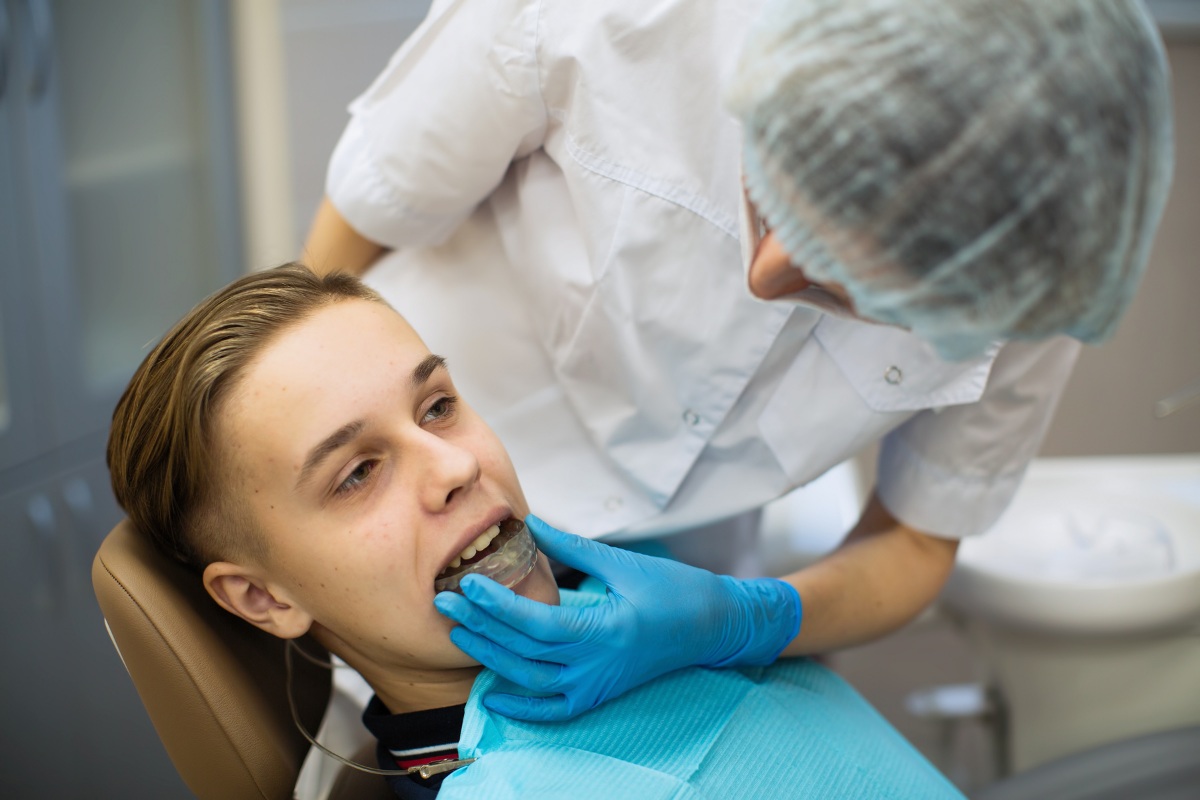
That is why bringing your mouthguard to regular dental visits can be helpful. A Round Lake dentist can check its fit, look for thinning or damage, and determine whether changes in your teeth may be affecting how it sits.
This can be especially useful for people who wear a guard nightly. In some cases, the wear pattern on the guard can show where repeated pressure is occurring.
Should You Replace It After Dental Treatment?
Sometimes, yes.
A new crown, restoration, orthodontic treatment, or other change to your teeth can affect how an existing mouthguard fits. Even small changes can matter when a device is designed around the shape of your bite.
If your mouthguard feels different after dental treatment, do not force it into place. Bring it with you so your dental team can check whether it is still suitable.
Custom and Store-Bought Mouthguards
The type of mouthguard you use can also influence comfort and longevity. Store-bought options may be convenient, particularly for occasional use. However, the fit can vary from person to person.
A custom-made option is created to match your teeth and bite. For people who wear a mouthguard regularly or need one because of significant grinding, discussing the available choices with a Round Lake dentist can help determine what makes sense for their needs.
Do Not Wait Until Your Mouthguard Completely Fails
Knowing when to replace a mouthguard often comes down to noticing small changes before they become bigger problems. A crack, loose fit, thinning area, or deep bite mark can be a useful signal that your current guard deserves attention.
If you have noticed any of the signs you need a new mouthguard, Round Lake Family Dentistry can help assess its condition and fit. A quick evaluation can help you decide whether your current mouthguard is still doing its job or whether it is time for a new one.
Schedule an appointment now to have your mouthguard and oral health evaluated.
Frequently Asked Questions
How do I know when to replace a mouthguard?
Look for cracks, holes, thinning, deep bite marks, warping, a poor fit, or ongoing discomfort. Persistent odor or buildup may also be a reason to have it checked.
Can I continue using a cracked mouthguard?
It is best to have a cracked mouthguard evaluated. Damage can worsen over time and may affect how well the device performs.
Why does my mouthguard suddenly feel loose?
Teeth can shift, dental work can change the shape of your bite, and the material itself can wear down. Any noticeable change in fit is worth checking.
How can I make my mouthguard last longer?
Follow the recommended cleaning instructions, let it dry completely, keep its case clean, and avoid exposing it to excessive heat.
Should children replace mouthguards more often?
They may need to. As children grow and their teeth change, a mouthguard can stop fitting properly even if it does not appear damaged.