425 North Wilson Rd, Round Lake, IL 60073


What Should You Do If You Can’t Fully Close Your Mouth?


Trying to close your mouth and realizing that it won’t move the way it normally does can feel unsettling. Eating, talking, and even relaxing your jaw may suddenly become uncomfortable. Some people notice mild tightness, while others experience sharp pain, stiffness, or a feeling that the jaw is stuck halfway.
This type of issue often relates to the temporomandibular joint, the hinge that allows your jaw to open and close smoothly. When something interferes with this joint or the muscles around it, you may experience jaw locking, jaw stiffness, or mouth opening and closing problems.
If the problem happens suddenly, many people begin searching online for an emergency dentist near me to understand what’s happening and whether they should seek immediate care. While not every case is a true emergency, persistent jaw pain when closing the mouth or difficulty bringing the teeth together should be evaluated by a dental professional.
Understanding what may be causing the problem can help you decide what to do next and when to contact a dentist for guidance.
Why Your Jaw Might Not Close Properly
The jaw joint is complex and relies on bones, cartilage, muscles, and ligaments working together. When any part of this system becomes irritated or misaligned, movement can feel restricted.
One of the most common reasons for this issue is TMJ Disorder, a condition that affects the temporomandibular joint and the muscles responsible for jaw movement.
Common causes include:
TMJ disorder
This condition can interfere with the smooth movement of the jaw and may cause pain or clicking sounds.
Jaw muscle spasms
Muscles around the jaw can tighten unexpectedly, making it difficult to close the mouth fully.
Jaw inflammation
Swelling in the joint area can limit normal movement.
Disc displacement in the joint
A small cartilage disc inside the joint can shift out of place, affecting how the jaw opens and closes.
Stress and teeth grinding
Clenching or grinding teeth—often during sleep—can strain jaw muscles and joints.
Injury or trauma
A fall, sports injury, or sudden impact can affect jaw alignment.
According to the American Dental Association, temporomandibular joint problems affect millions of Americans and can range from mild discomfort to more noticeable jaw dysfunction.
Signs Your Jaw May Be Experiencing TMJ Problems
When jaw movement changes, it’s usually accompanied by other symptoms. Paying attention to these signs can help you determine whether the issue may involve jaw joint dysfunction.
Symptoms often include:
- Difficulty closing the jaw completely
- Jaw pain when closing mouth
- Clicking or popping sounds
- Jaw stiffness causes limited movement
- Pain near the ear or temple
- Jaw muscle spasms
- Mouth opening and closing problems
- Clicking jaw symptoms while chewing
Some people also notice their bite suddenly feels uneven, as if their teeth are not aligning the same way they normally do.
When to Seek Emergency Dental Care
Occasional jaw tightness may resolve on its own, but certain symptoms suggest that professional evaluation is important.
You may want to look for an emergency dentist if you experience:
- Severe or worsening jaw pain
- A jaw that feels stuck partially open
- Difficulty eating or speaking normally
- Noticeable swelling near the jaw joint
- Persistent temporomandibular joint problems
A dental professional can determine whether the issue involves TMJ pain, joint inflammation, or muscle-related problems.
Early treatment can often prevent the condition from becoming more severe.
What You Can Do Right Away
If your jaw suddenly feels stiff or difficult to close, there are a few steps that may help ease the discomfort until you can see a dental professional.
Rest Your Jaw
Avoid hard foods, gum chewing, or anything that requires wide jaw movement. Soft foods reduce stress on the joint.
Use Warm or Cold Compresses
Warm compresses may relax tight muscles, while cold packs can help reduce jaw inflammation.
Avoid Wide Mouth Movements
Try not to yawn widely or open your mouth excessively, as this can worsen jaw locking.
Practice Gentle Relaxation
Stress sometimes triggers jaw muscle spasms, so breathing exercises or relaxing the facial muscles may help reduce tension.
These strategies may provide temporary relief, but ongoing difficulty closing the jaw should still be evaluated by a professional.
How Dentists Evaluate Jaw Locking
When you visit a dental office for emergency dental care for jaw pain, the dentist will look closely at how your jaw moves.
This may include:
- Checking how your jaw opens and closes
- Listening for clicking or grinding sounds
- Feeling for muscle tenderness
- Evaluating your bite alignment
- Reviewing habits such as grinding or clenching
In some situations, imaging such as X-rays or scans may be used to see the structure of the joint.
Research suggests that 5–12% of adults in the United States experience TMJ-related symptoms, making it one of the more common joint concerns involving oral health.
Treatment Options for TMJ Pain
The good news is that most TMJ-related issues can be managed without surgery. Treatment often focuses on reducing stress on the jaw joint and helping the muscles relax.
Possible treatments include:
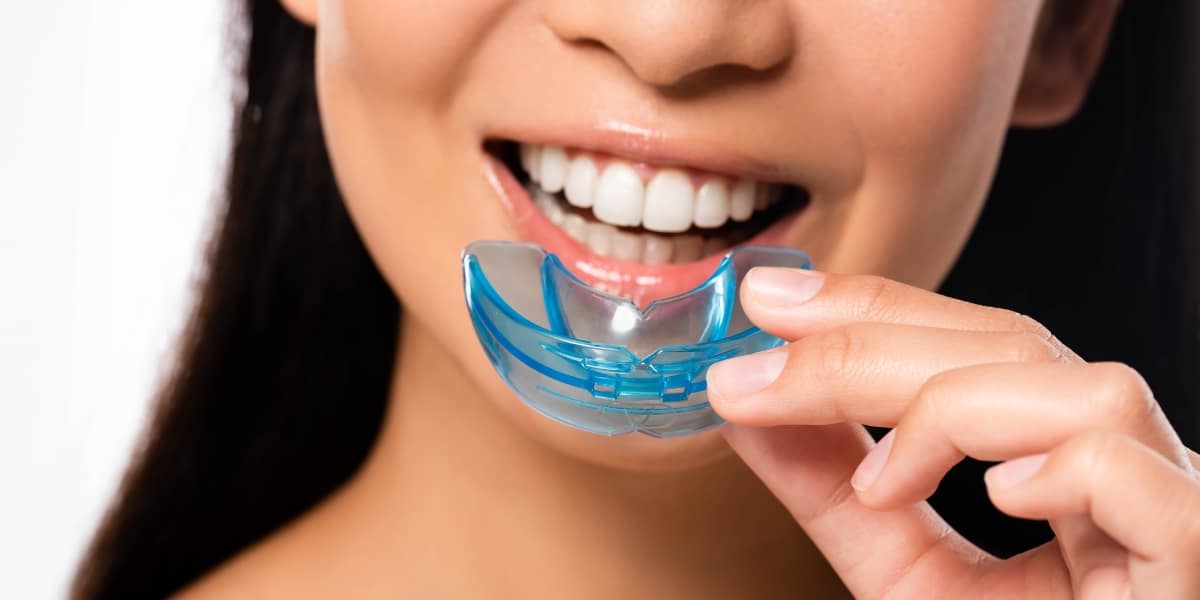
Custom mouthguards
These help prevent grinding and reduce strain on the jaw joint.
Anti-inflammatory medications
These can reduce swelling and discomfort in the joint.
Jaw exercises or physical therapy
Gentle movements can improve flexibility and strengthen the muscles.
Stress management
Reducing tension may help prevent clenching and muscle spasms.
Bite adjustments
If uneven bite pressure is contributing to the issue, dental adjustments may help restore balance.
A dentist can recommend the best approach depending on the cause of the jaw joint dysfunction.
Why Local Dental Care Matters
When jaw discomfort appears suddenly, having access to nearby care can make the situation easier to manage. Many residents around Round Lake, IL experience occasional jaw tension related to stress, teeth grinding, or muscle strain.
When symptoms such as jaw stiffness, jaw locking, or difficulty closing the mouth occur, searching for a dentist near me allows patients to find timely support and evaluation.
Prompt care can help identify the cause early and prevent more serious temporomandibular joint problems from developing.
Protecting Your Jaw Health
Simple daily habits can help reduce the chances of experiencing jaw problems in the future.
Helpful habits include:
- Avoid chewing ice or very hard foods
- Manage stress to prevent clenching
- Maintain routine dental checkups
- Address teeth grinding early
- Use proper posture when working or using devices
Regular dental visits allow professionals to detect early signs of TMJ disorder or jaw inflammation before symptoms become more noticeable.
Final Thoughts
If your jaw suddenly won’t close properly, it’s understandable to feel concerned. While some cases may be temporary muscle tension, others may involve TMJ disorder or jaw joint dysfunction that benefits from professional evaluation.
Ignoring ongoing jaw pain, stiffness, or locking can make everyday activities like eating and speaking more difficult over time.
If symptoms persist, reaching out to a dental professional can help you get clear answers and appropriate care. A dentist can examine the joint, identify the cause, and guide you toward relief so your jaw can move comfortably again. If jaw discomfort continues or worsens, it may be helpful to schedule an appointment for a personalized evaluation.
FAQs
Why does my jaw feel stuck when I try to close it?
This may occur due to TMJ disorder, jaw muscle spasms, or joint inflammation, which can interfere with normal jaw movement.
Can stress cause jaw locking?
Yes. Stress can lead to clenching or grinding, which may strain jaw muscles and trigger jaw stiffness or locking.
Is jaw locking considered a dental emergency?
If the jaw remains stuck, causes severe pain, or prevents eating or speaking normally, contacting an emergency dentist is recommended.
Can TMJ problems go away on their own?
Some mild cases improve with rest and reduced jaw strain, but persistent symptoms should be evaluated by a dentist.
When should I see a dentist for jaw pain?
If pain, stiffness, or difficulty closing the jaw lasts more than a few days or worsens, it’s best to consult a dental professional.