425 North Wilson Rd, Round Lake, IL 60073


Root Canal Infection: Symptoms and Treatment Overview

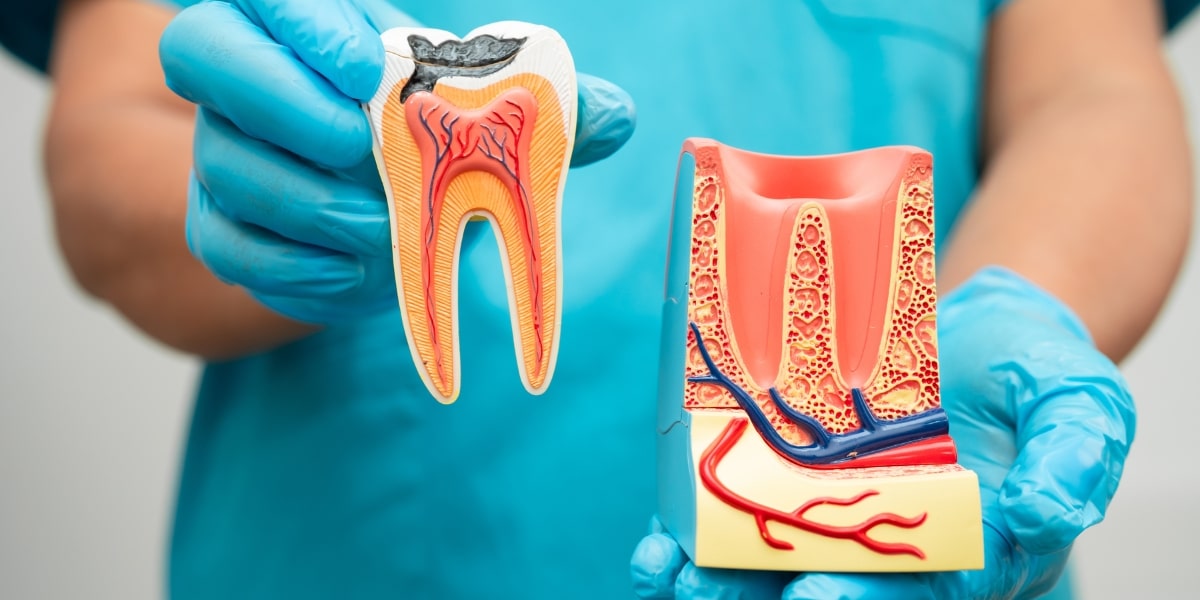
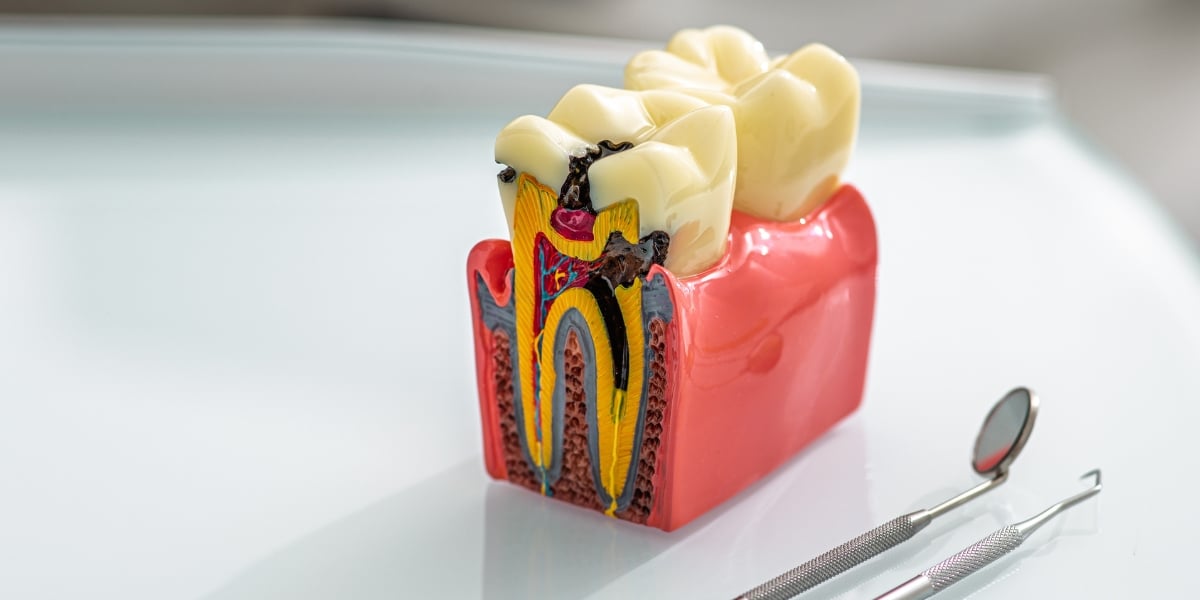
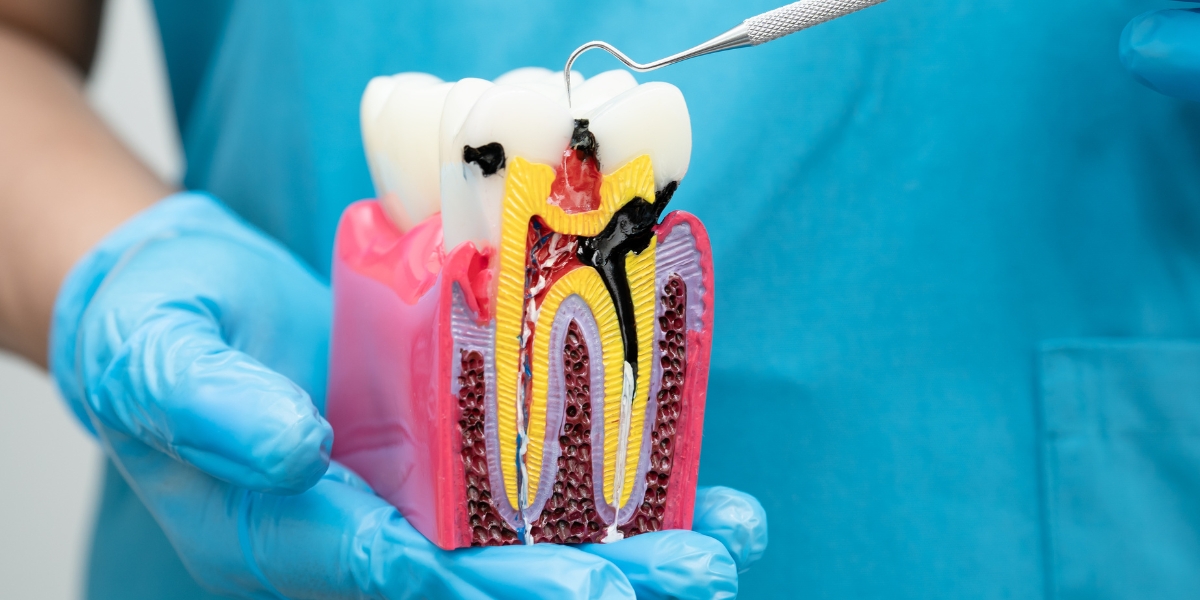
Have you ever had a tooth that hurt when you bit down, reacted strongly to cold drinks, or simply felt different from the rest of your teeth? Sometimes, these symptoms are caused by a problem deep inside the tooth. When bacteria reach the pulp, the innermost part of a tooth, they can cause an infection that may require root canal treatment.
A root canal infection shouldn’t be ignored. While the pain may occasionally fade for a while, that doesn’t necessarily mean the problem has gone away. Without proper treatment, an infection can spread to the tissues surrounding the tooth. Recognizing the warning signs and getting a dental evaluation early can help protect your natural smile.
Why Does a Tooth Become Infected?
A healthy tooth has several layers that protect the pulp from bacteria. Trouble begins when that protection is damaged. A deep cavity can eventually reach the pulp, while a crack or fracture may give bacteria another route inside.
An injury to the tooth can also damage the pulp, even when there isn’t an obvious crack. In some cases, the pulp becomes inflamed after repeated dental work. Once the tissue inside the tooth becomes infected or severely damaged, the tooth may not be able to heal without treatment.
What Does a Root Canal Infection Feel Like?
The symptoms aren’t always identical. Some people experience intense pain, while others notice only mild discomfort. Here are some changes that deserve attention:
Ongoing Toothache
An infected tooth may ache throughout the day or hurt only at certain times. You may notice a sharp sensation when biting, a dull ache that lingers, or throbbing pain that becomes difficult to ignore.
Strong Reaction to Temperature
Hot soup, coffee, ice cream, or a cold beverage may suddenly cause discomfort in one tooth. If the sensitivity continues for a while after the temperature trigger is gone, it may be worth having the tooth examined.
Pain When Chewing
If one particular tooth hurts whenever you chew or bite down, there could be inflammation or damage underneath the surface. This symptom can occur with several dental conditions, so an examination is needed to determine the cause.
Swelling Around the Tooth
An infection can irritate the surrounding gums. The area may look puffy, feel sore, or become tender when you touch it.
Gum Bump or Drainage
You may notice a small raised spot on the gum near the problem tooth. In some cases, an infection can cause drainage, leaving an unpleasant taste in your mouth.
Darkening of the Tooth
A tooth that has experienced significant pulp damage may gradually become darker than nearby teeth. This can sometimes happen after an injury or when the pulp is no longer healthy.
Bad Breath or an Unpleasant Taste
Persistent bad breath or a strange taste can sometimes accompany an infected tooth, particularly when bacteria or drainage are present.
Fever or Facial Swelling
Fever and noticeable swelling can indicate that a dental infection has become more serious. These symptoms call for prompt professional attention.
What Happens During Root Canal Treatment?
If your dentist believes the pulp may be infected, the first step is usually a thorough examination. Dental X-rays may be taken to look at the roots and the area surrounding the tooth.
Once treatment begins, the tooth is numbed with local anesthesia. Your dentist creates a small access point through the tooth so the damaged pulp can be reached. The unhealthy tissue is removed, and the inside of the tooth is cleaned to eliminate bacteria and debris.
The cleaned canals are then filled with a material designed to seal the space. This helps keep bacteria from getting back inside. Finally, the tooth is restored. Depending on the amount of tooth structure that remains, a filling or dental crown may be recommended.
If you’re searching for a dentist near me because a tooth has been bothering you, it’s better to arrange an examination rather than trying to wait out the discomfort. Patients looking for dental care in Round Lake, IL, can contact Round Lake Family Dentistry to have persistent tooth pain or other concerning symptoms evaluated.
Is a Root Canal Painful?
The thought of a root canal can make some patients nervous, but the procedure is performed after the area has been thoroughly numbed. You may notice pressure or movement during treatment, but your dentist will work to keep you comfortable.
The treated tooth can feel tender afterward. This is usually temporary, and your dental team can explain what to expect during recovery and how to care for the tooth at home.
Can an Infection Return After a Root Canal?
A tooth that has undergone root canal treatment can last for many years, but it isn’t completely protected from future problems. A new cavity, a fracture, or a restoration that becomes damaged can allow bacteria to enter again.
In some cases, bacteria may remain in a part of the canal system that was difficult to reach during the original treatment. If the tooth later becomes painful or develops other unusual symptoms, your dentist can determine whether additional treatment is necessary.
How Can You Reduce Your Risk?
Taking care of your teeth every day is one of the simplest ways to reduce the likelihood of problems that can eventually affect the pulp.
A few helpful habits include:
- Brush twice daily using fluoride toothpaste.
- Clean between your teeth every day.
- Avoid frequently snacking on sugary foods and drinks.
- Don’t use your teeth to open packages or bite hard objects.
- Wear a mouthguard during activities that could injure your teeth.
- Keep up with routine dental examinations and cleanings.
- Have cavities, chips, and tooth injuries checked instead of putting them off.
Catching a cavity or damaged tooth early can sometimes prevent the problem from progressing deep enough to affect the pulp.
Don’t Ignore a Problem Tooth
Tooth pain is easy to dismiss when you’re busy, but waiting can give a dental infection more time to develop. Whether you have lingering sensitivity, pain while chewing, swelling, or another unusual change, getting the tooth checked can give you a clearer understanding of what’s happening.
For patients in Round Lake, IL, Round Lake Family Dentistry can evaluate dental symptoms and discuss appropriate treatment options for maintaining a healthy, functional smile.
Schedule an appointment today to have your tooth evaluated and get the care your smile needs.
Frequently Asked Questions
How do I know if I need a root canal?
Persistent tooth pain, pain when chewing, prolonged temperature sensitivity, swelling, or a damaged tooth can all be reasons to schedule an examination. Only a dental evaluation can determine whether a root canal is actually needed.
Can a tooth infection cause problems elsewhere?
Yes. An untreated dental infection can extend into nearby tissues and may lead to an abscess or other complications. That’s why persistent symptoms shouldn’t be ignored.
Can I have a root canal without severe pain?
Yes. Not every infected tooth causes intense pain. Some infections are discovered during a routine examination or after a dental X-ray.
Will I need a crown after a root canal?
Not every treated tooth requires a crown. However, a crown may be recommended when the tooth has lost enough structure that additional protection is needed.
Can antibiotics fix the infected tooth?
Antibiotics can be useful in certain circumstances, but they generally don’t remove infected pulp from inside the tooth. The underlying dental problem still needs to be addressed.
How can I avoid another dental infection?
Regular dental visits, good oral hygiene, limiting sugary foods and drinks, and addressing cavities or damaged teeth early can all help protect your teeth.