425 North Wilson Rd, Round Lake, IL 60073


Can a Tooth Fall Out After a Root Canal? What You Need to Know

When your dentist recommends a root canal, it’s normal to feel a little anxious. Along with questions about the procedure itself, many people wonder what happens to the tooth afterward. One of the biggest concerns is whether the tooth will eventually loosen or even fall out.
The good news is that this fear is mostly based on misunderstanding. A root canal is performed to preserve a natural tooth—not remove it. In most cases, the treatment allows the tooth to continue functioning for many years. Like any restored tooth, however, its future depends on how well it is cared for after treatment.
Let’s take a closer look at why root canals are performed, what happens during the procedure, and the situations that could put a treated tooth at risk.
Why Is a Root Canal Needed?
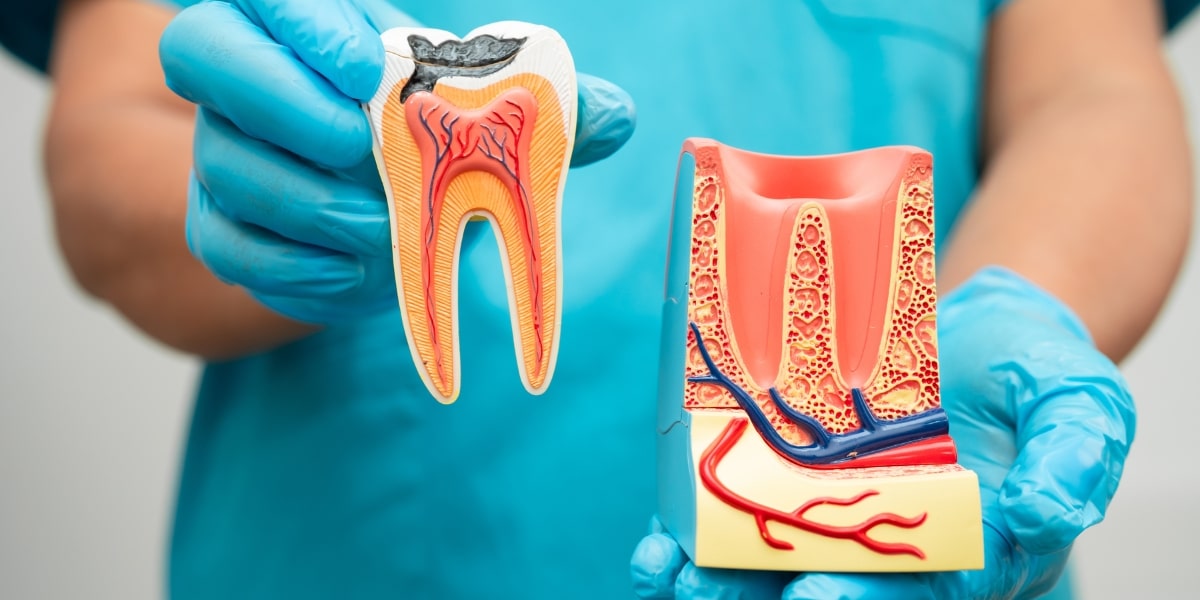
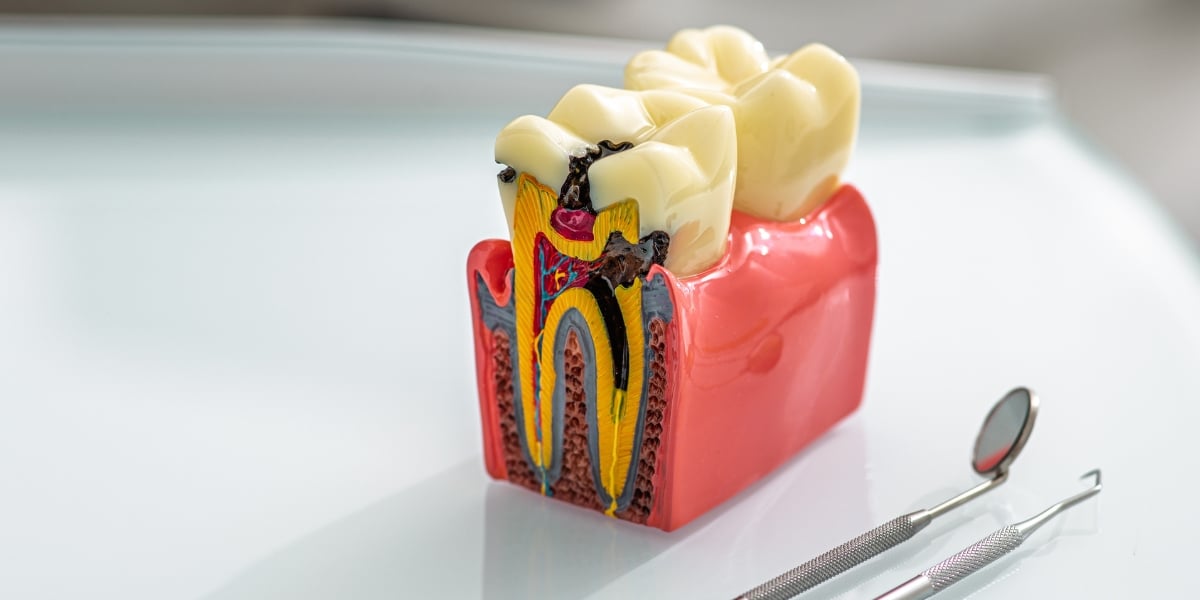
Every tooth has a soft center known as the pulp. This tissue contains nerves and blood vessels that help the tooth develop during its early years. When bacteria reach the pulp through deep decay, a crack, or an injury, inflammation and infection begin to develop.
Ignoring the infection doesn’t make it disappear. Instead, it usually becomes more painful and may eventually spread into the surrounding bone.
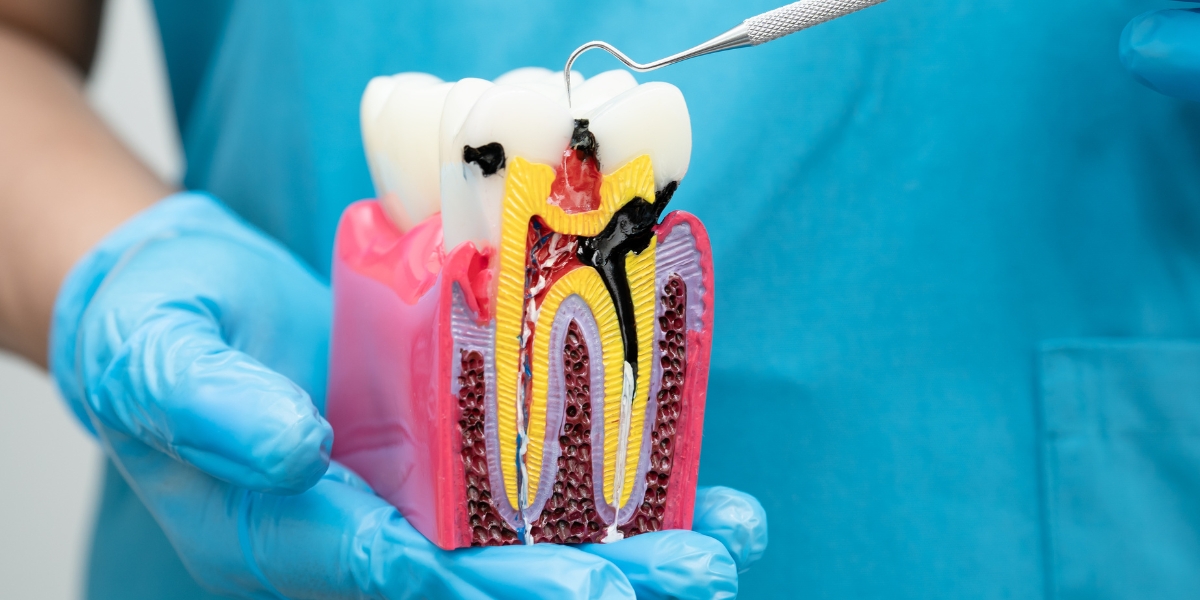
During root canal therapy in Round Lake, your dentist removes the infected tissue from inside the tooth, carefully cleans the narrow canals, and seals them to prevent bacteria from returning. Once the tooth has healed, it is restored with a filling or crown so you can bite and chew comfortably again.
So, Can a Tooth Really Fall Out After a Root Canal?
A root canal alone does not make a tooth fall out.
In fact, without treatment, the infection would continue destroying the tooth and the surrounding bone, making tooth loss much more likely. The procedure removes the source of the problem while allowing the roots to remain firmly anchored in the jaw.
That said, a treated tooth isn’t indestructible. Just like any other tooth, it can develop new problems over time if it isn’t properly restored or cared for.
What Can Cause Problems Later?
When people lose a tooth that previously had a root canal, the treatment itself usually isn’t to blame. Instead, other dental issues have developed along the way.
A Delayed or Damaged Crown
Once a tooth has been treated, it often needs additional protection. Back teeth especially experience tremendous pressure every time you chew.
If a recommended crown is delayed, cracked, or no longer fits correctly, the remaining tooth structure becomes more vulnerable to breaking. In some situations, the fracture can extend below the gumline, making the tooth difficult to save.
A New Infection
Although the original infection has been removed, bacteria can still find another way inside the tooth.
Tiny openings around worn fillings, damaged crowns, or untreated cracks may allow bacteria to enter again. This can lead to another infection months or even years after the original treatment.
Fortunately, early treatment often prevents more serious complications.
Decay Around the Restoration
One common misconception is that a tooth can’t develop cavities after a root canal.
The truth is that only the infected pulp has been removed. The rest of the tooth remains just as susceptible to decay as before. Poor brushing habits or skipping dental visits can allow cavities to form around the edges of fillings or crowns.
Can Teeth Grinding Make Things Worse?
Absolutely.
Many people grind or clench their teeth while sleeping without realizing it. Over time, this constant pressure can weaken restorations and place unnecessary stress on treated teeth.
If you experience jaw soreness, headaches, or notice signs of nighttime grinding, a Round Lake dentist can evaluate your bite and determine whether a custom nightguard would help protect your teeth.
Simple Ways to Protect Your Treated Tooth
Keeping a root canal-treated tooth healthy doesn’t require anything complicated. Small daily habits often make the biggest difference.
Stay Consistent with Oral Hygiene
Brushing twice a day and flossing every evening help remove plaque before it causes new cavities or gum disease.
Keep Your Routine Dental Appointments
Even if your tooth feels perfectly fine, regular checkups allow your dentist to monitor crowns, fillings, and surrounding bone before small concerns become larger ones.
Complete Your Recommended Treatment
Temporary fillings aren’t meant to last forever. If your dentist recommends placing a permanent crown, having it completed on time greatly improves the long-term success of the tooth.
Protect Against Excessive Pressure
Whether it’s chewing ice, biting fingernails, or grinding your teeth at night, reducing unnecessary force helps prevent cracks that could shorten the life of the tooth.
What Happens If the Tooth Doesn’t Heal Properly?
Although root canals are extremely successful, no dental procedure offers a perfect success rate.
Sometimes a hidden canal, a deep fracture, or lingering bacteria may prevent complete healing. Even then, removing the tooth isn’t always the first solution.
Depending on the situation, your dentist may recommend retreating the root canal or performing a minor surgical procedure to eliminate the remaining infection. Extraction is generally considered only after other options have been carefully evaluated.
How Long Can a Root Canal-Treated Tooth Last?
There’s no exact expiration date.
Some treated teeth last ten years, while many continue functioning well for thirty years or even longer. Longevity depends on several factors, including the amount of remaining tooth structure, the quality of the restoration, your oral hygiene habits, and regular professional care.
The earlier problems are detected, the easier they usually are to manage.
Final Thoughts
A root canal doesn’t make a tooth fall out. Quite the opposite—it gives a badly infected tooth another chance.
Most patients continue using their treated tooth comfortably for many years without experiencing major problems. Protecting the tooth with a quality restoration, practicing good oral hygiene, and visiting your dentist regularly all play an important role in keeping it healthy.
If you’re dealing with tooth pain or have been advised to consider a root canal, early treatment can help preserve your natural smile and prevent more extensive dental problems later. Schedule an appointment with Round Lake Family Dentistry today to find out whether root canal treatment is the right choice for restoring your oral health.
Frequently Asked Questions
Does a root canal weaken a tooth?
The tooth may become slightly less flexible after the pulp is removed, but placing a crown often restores the strength needed for everyday chewing.
Can I chew normally after a root canal?
Yes. Once your permanent restoration is in place and your dentist clears you, you can usually return to eating your normal diet.
How will I know if my root canal has failed?
Pain that returns after healing, swelling, tenderness while chewing, or a pimple-like bump on the gums may indicate that the tooth should be examined.
Can the same tooth need another root canal?
Yes. In some situations, retreatment can successfully remove a new infection and preserve the tooth.
Is it possible for a root canal-treated tooth to get a cavity?
Yes. Although the nerve has been removed, the outer portion of the tooth can still develop decay.
Do all root canal-treated teeth require crowns?
Not always. Front teeth sometimes only require fillings, while back teeth are more likely to benefit from crowns because they absorb greater chewing pressure.
How often should I visit the dentist after a root canal?
Routine dental checkups every six months—or as recommended by your dentist—help monitor the treated tooth and catch potential problems early.
Is extracting the tooth better than getting a root canal?
Whenever possible, preserving your natural tooth is usually the preferred option because it helps maintain normal chewing function, jawbone health, and the alignment of neighboring teeth.