425 North Wilson Rd, Round Lake, IL 60073


Can Oral Surgery Fix a Receding Gum Line? Exploring Your Options

Most people don’t pay much attention to their gums until they notice their teeth looking longer or experience sharp sensitivity while eating something hot or cold. These are often early signs of gum recession—a condition that develops when the gum tissue slowly pulls away from the teeth. Although it may seem like a minor issue at first, untreated gum recession can eventually expose tooth roots, increase the risk of decay, and affect the stability of your teeth.
The good news is that gum recession can often be managed successfully when diagnosed early. While many patients respond well to non-surgical periodontal treatment, others may need surgical care to restore damaged tissues and improve the health of their smile. Knowing when oral surgery becomes an option can help you seek treatment before the condition becomes more serious.
Why Oral Surgery May Be Recommended
Gum recession happens for many reasons. Advanced gum disease is one of the most common causes, but it isn’t the only one. Brushing too aggressively, clenching or grinding your teeth, tobacco use, bite problems, and even genetics can contribute to receding gums. Every patient’s condition is different, which is why a thorough dental evaluation is so important.
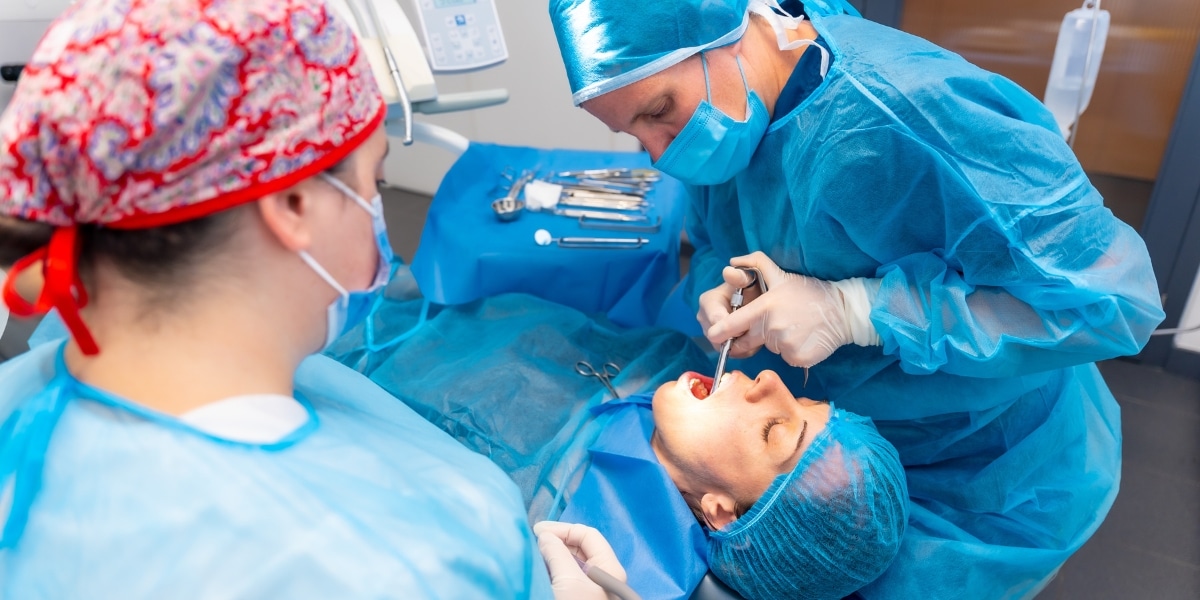
When gum recession reaches an advanced stage, an oral surgeon in Round Lake can determine whether surgery is the most effective way to protect your teeth and supporting tissues. Their goal isn’t simply to improve the appearance of your gums but to reduce future damage, strengthen oral structures, and preserve your natural smile whenever possible.
Oral Surgery Procedures That May Help
Tissue Evaluation Through a Biopsy
Sometimes gum recession is not caused solely by periodontal disease. If your dental provider notices unusual changes in the gum tissue, they may recommend a biopsy. During this simple procedure, a very small portion of tissue is removed and sent to a laboratory for examination.
A biopsy helps identify conditions such as chronic inflammation, infections, autoimmune disorders, or abnormal tissue changes that could affect treatment decisions. Finding the root cause allows your dental team to create a treatment plan that addresses more than just the visible symptoms.
Bone Grafting and Sinus Lift Procedures
Severe gum disease can damage not only the gums but also the jawbone that supports your teeth. If significant bone has been lost, rebuilding that foundation may become necessary before additional restorative treatment can begin.
In certain situations, a sinus lift may be recommended for the upper jaw when there isn’t enough bone to provide proper support. Bone grafting materials are carefully placed to strengthen the area, helping prepare the mouth for future treatment while improving long-term stability.
Dental Implants After Tooth Loss
Unfortunately, untreated gum recession can sometimes lead to tooth loss. When this happens, dental implants are often considered one of the most reliable replacement options. Unlike traditional bridges or removable dentures, implants replace the entire tooth structure, including the root, helping maintain healthy jawbone density.
If you’re searching for a trusted dentist in Round Lake, IL, it’s important to choose a practice that evaluates both your gum health and bone condition before recommending implants. Replacing missing teeth not only restores your smile but also helps distribute biting pressure evenly and prevents neighboring teeth from shifting.
How Do You Know It’s Time for Surgery?
Not everyone with gum recession requires surgery, but certain symptoms shouldn’t be ignored. If your teeth appear noticeably longer, your gums continue to pull away despite treatment, or you’re experiencing ongoing sensitivity and loose teeth, it’s time to seek professional advice.
Your dentist will carefully examine your gums, measure the amount of recession, and evaluate the health of the surrounding bone. If conservative treatment isn’t enough to stop the progression, surgical procedures may offer the best opportunity to preserve your oral health.
Healing After Oral Surgery
Recovery depends on the type of procedure performed and your overall oral health. Many patients return to their normal routine within a few days, while more involved procedures may require a longer healing period.
Following your post-operative instructions plays a major role in recovery. Gentle brushing, eating softer foods, avoiding tobacco products, keeping follow-up appointments, and maintaining excellent oral hygiene all help your gums heal properly and reduce the chance of complications.
Taking Action Early Can Protect Your Smile
Ignoring gum recession rarely makes the problem go away. Instead, it often allows the condition to progress until more extensive treatment becomes necessary. Seeking professional care at the first signs of gum recession gives you more treatment options and increases the likelihood of saving your natural teeth.
Whether your treatment involves a biopsy, bone grafting, dental implants, or another surgical procedure, receiving the right care at the right time can improve both your oral health and your confidence. The team at Round Lake Family Dentistry will evaluate your individual needs and recommend the most appropriate solution for lasting results. Schedule an appointment today to take the first step toward healthier gums and a stronger smile.
Frequently Asked Questions
Can oral surgery completely fix a receding gum line?
Oral surgery can successfully treat many advanced cases of gum recession by restoring lost tissue, rebuilding bone when necessary, and protecting exposed tooth roots. The recommended treatment depends on the severity of your condition.
Is surgery always necessary for receding gums?
No. Mild gum recession often responds well to deep cleaning, improved oral hygiene, and periodontal therapy. Surgery is generally considered when these treatments are no longer enough.
What are the warning signs that gum recession is getting worse?
Common signs include longer-looking teeth, exposed roots, increased sensitivity, bleeding gums, persistent bad breath, loose teeth, and visible spaces between the gums and teeth.
Are dental implants possible after losing teeth from gum disease?
Yes. Many patients qualify for implants after their gum disease has been treated and sufficient bone support is available. Additional procedures such as bone grafting may sometimes be recommended first.
How long is the recovery after oral surgery?
Healing varies depending on the procedure, but most patients notice significant improvement within one to two weeks. Complete healing may take longer for more complex treatments.
How can I reduce my risk of gum recession?
Brushing gently with a soft-bristled toothbrush, flossing daily, attending routine dental checkups, avoiding tobacco products, and treating gum disease early are some of the best ways to protect your gums.