425 North Wilson Rd, Round Lake, IL 60073


How Oral Surgery Can Save Your Jaw from Serious Problems

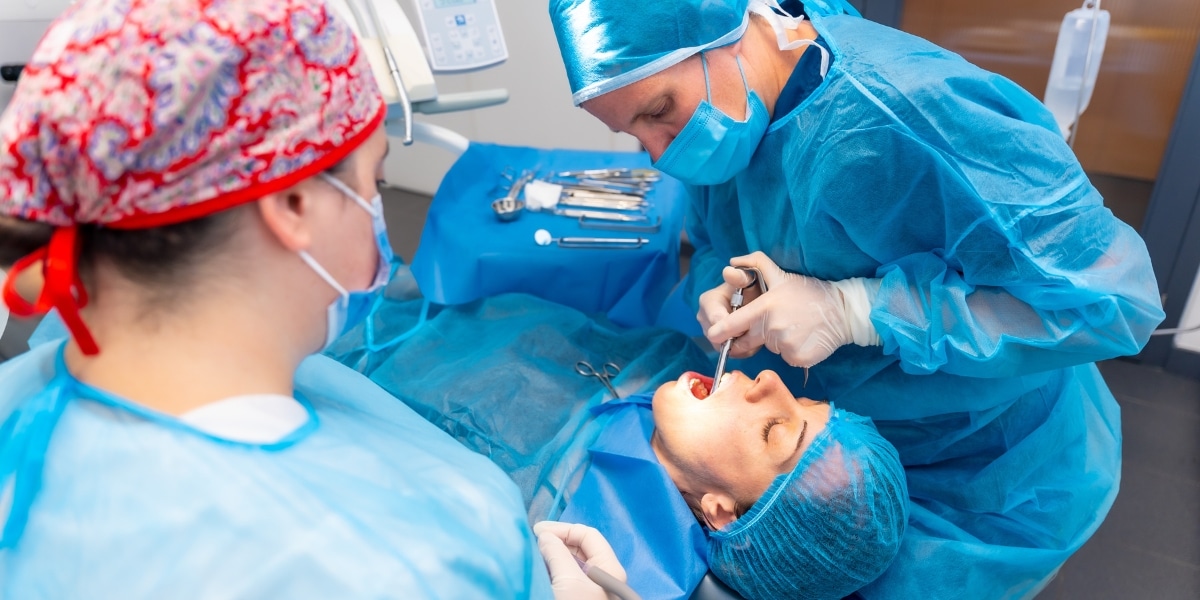
Your jaw does more than hold your teeth in place. It helps you chew, speak, and support the lower part of your face. When something affects its structure, even simple activities like eating your favorite foods or opening your mouth can become uncomfortable. Some jaw problems develop slowly, while others follow an injury, infection, or untreated dental condition. In either case, early treatment can make a meaningful difference.
Oral surgery to prevent jaw problems can help address conditions that threaten the jawbone, surrounding tissues, and overall oral function. Depending on the problem, treatment may involve removing an impacted tooth, treating an infection, repairing damaged bone, or preparing the jaw for dental implants.
For patients in Round Lake, IL, understanding when surgery may help is an important part of protecting long-term oral health. Let’s look at common jaw problems, available surgical treatments, and how timely care can help prevent further damage.
Why Is Jaw Health So Important?
Your jawbone provides the foundation that supports your teeth and helps maintain your facial structure. It also works with the jaw joints and surrounding muscles to make everyday movements possible.
When the jawbone becomes damaged or loses density, several problems may develop:
- Tooth instability: Weak or deteriorating bone may no longer provide adequate support for natural teeth.
- Changes in facial appearance: Significant bone loss can affect facial support and contour.
- Difficulty chewing: Pain, inflammation, or structural damage may interfere with normal biting.
- Jaw discomfort: Certain conditions can cause tenderness, stiffness, or restricted movement.
- Increased risk of dental complications: Untreated infections and damaged tissues can affect nearby teeth and bone.
Protecting jaw health through oral surgery does not always mean undergoing a major procedure. In many cases, a carefully selected treatment can address a specific problem before it causes more extensive damage.
Patients searching for oral surgery Round Lake may benefit from an evaluation when persistent dental problems, impacted teeth, or jawbone changes begin affecting their comfort and oral function.
Common Jaw Problems That May Require Oral Surgery
Not every jaw concern needs surgery. However, some conditions require more than routine dental treatment to prevent additional damage.
Impacted Wisdom Teeth
Wisdom teeth sometimes fail to emerge properly because there is not enough room in the jaw. They may remain trapped beneath the gums or grow at an angle toward neighboring teeth.
Impacted wisdom teeth can contribute to:
- Gum inflammation and recurring infections.
- Pressure or discomfort near the back of the jaw.
- Damage to neighboring teeth.
- Cysts or other changes around the impacted tooth.
When an impacted tooth creates a clear risk or causes symptoms, surgical extraction may help protect nearby teeth and surrounding bone.
Jawbone Deterioration
Jawbone loss can occur after tooth extraction, advanced periodontal disease, or certain injuries. When a tooth is missing, the surrounding bone no longer receives the same stimulation from chewing forces.
Over time, this can lead to bone resorption, reducing the amount of bone available to support future dental restorations.
Oral surgery for jawbone health may involve bone grafting to rebuild areas that have lost volume. The appropriate approach depends on the extent and location of the damage.
Dental Infections That Spread to the Jaw
An untreated dental infection can sometimes spread beyond the affected tooth and involve surrounding tissues or bone. In more advanced cases, an infection may lead to a condition called osteomyelitis, which affects the bone itself.
Symptoms may include swelling, tenderness, persistent pain, fever, or drainage.
Depending on the diagnosis, treatment may require antibiotics, drainage, removal of infected tissue, or extraction of the affected tooth. Prompt evaluation helps prevent the infection from causing further damage.
Jaw Cysts and Other Abnormal Growths
Some cysts develop around impacted teeth or within the jawbone. Although many jaw cysts are benign, they can gradually enlarge and damage nearby bone if left untreated.
Oral surgery may involve removing the cyst and sending the tissue for laboratory examination. Larger defects may also require bone reconstruction.
How Oral Surgery Helps Protect Your Jaw
Surgical treatment can address existing damage and reduce the risk of certain complications. The benefits of oral surgery for jaw health depend on the underlying condition and the procedure recommended.
Removing Problematic Teeth
Extracting severely damaged or impacted teeth can eliminate a source of recurring infection, inflammation, or pressure on nearby structures.
Removing a problematic tooth may also protect neighboring teeth from further damage.
Rebuilding Lost Jawbone
Bone grafting is one option for patients who have lost jawbone volume. During this procedure, a surgeon places grafting material in the affected area to support new bone formation.
The material may come from the patient’s own bone, a donor source, an animal-derived source, or a synthetic substitute.
Bone grafting is often considered when a patient needs additional support for future dental implants or when bone loss affects the surrounding structure.
Treating Infected or Damaged Bone
When infection reaches the jawbone, treatment may require removing affected tissue so healthy tissue can recover.
This type of jawbone damage treatment depends on the severity of the infection. Antibiotics and other medical interventions may also be necessary.
Preparing the Jaw for Dental Implants
Patients who have lost teeth may experience gradual bone loss in the affected area. If insufficient bone remains, an implant may not have adequate support.
Bone grafting and other preparatory procedures can help rebuild the site before implant placement. This creates a more suitable foundation for tooth replacement.
What Should You Expect Before and After Oral Surgery?
Understanding the process can make surgical treatment feel less overwhelming.
Before the Procedure
Your dental professional will review your symptoms, medical history, and oral health. Depending on the condition, they may recommend dental X-rays or three-dimensional imaging to examine the jawbone and surrounding structures.
The treatment plan will explain the procedure, anesthesia options, expected recovery, and any preparation you need to complete.
During Recovery
Recovery varies based on the type of surgery. Some patients experience mild swelling and tenderness, while more involved procedures may require additional healing time.
Your provider may recommend:
- Eating soft foods during the initial recovery period.
- Applying a cold compress to help manage swelling.
- Taking prescribed or recommended medication as directed.
- Avoiding smoking and strenuous activity during early healing.
- Keeping the surgical area clean according to specific instructions.
- Attending follow-up visits to monitor healing.
Contact your dental professional if pain or swelling increases, you develop a fever, or you notice unusual discharge. Difficulty breathing or swallowing requires emergency medical attention.
When Should You Consider an Oral Surgery Evaluation?
Persistent jaw discomfort should not be something you simply learn to live with. Swelling, recurring infections, difficulty chewing, and unexplained changes in your bite may indicate an underlying problem.
An evaluation can help determine whether the issue involves your teeth, gums, jawbone, or jaw joints.
At Round Lake Family Dentistry, patients in Round Lake, IL, can discuss dental concerns and appropriate treatment options based on their oral health needs. If you experience ongoing symptoms or have concerns about jawbone damage, a professional examination can help determine whether surgical care or referral to an oral surgeon is appropriate.
Early attention may help prevent certain conditions from becoming more complicated. If you have noticed persistent symptoms or need guidance about treatment, contact the practice to schedule an appointment.
Protecting Your Jaw Health Starts With Timely Care
Your jawbone plays an important role in maintaining healthy teeth, comfortable chewing, and facial support. Ignoring persistent dental problems can sometimes allow damage to progress. The right treatment, performed at the appropriate time, can help preserve oral function and support long-term jaw health.
Frequently Asked Questions
Can oral surgery prevent future jawbone damage?
In some cases, yes. Removing impacted teeth, treating infections, and addressing damaged tissue can help prevent certain conditions from progressing. Bone grafting may also restore lost bone volume when appropriate.
Does jawbone loss happen after tooth extraction?
Yes. The jawbone around an extracted tooth may gradually shrink because it no longer receives stimulation from the tooth root. The amount of bone loss varies between individuals.
Is jawbone damage reversible?
Some types of jawbone damage can be treated with bone grafting or reconstructive procedures. However, the outcome depends on the cause, severity, and condition of the surrounding tissues.
How do I know if I need oral surgery for jaw problems?
Persistent pain, swelling, impacted teeth, recurring infections, or changes in your bite may require further evaluation. Dental imaging and a clinical examination help determine whether surgery is necessary.
How long does it take to recover from jaw surgery?
Recovery depends on the procedure. Simple surgical extractions may require a few days of initial recovery, while bone grafting and more complex procedures can take several months for complete healing.