425 North Wilson Rd, Round Lake, IL 60073


Will Dental Implants Lift My Face?


When a person loses a tooth, the impact goes far beyond the empty space in their smile. Over time, missing teeth can affect the way the entire face looks. Many people are surprised when they notice their cheeks appearing flatter, their lips losing support, or their face looking older than it did a few years earlier.
Because of these changes, a common question patients ask is, “Will dental implants lift my face?” The answer isn’t as simple as yes or no. Dental implants are not designed to tighten skin or perform the job of cosmetic surgery. However, they can help maintain the foundation that supports your facial appearance, which may make a noticeable difference in the way you look over time.
Why Missing Teeth Can Make You Look Older
Your teeth and jawbone work together to support the lower portion of your face. Every time you chew, bite, or speak, the roots of your teeth stimulate the jawbone beneath them.
When a tooth is removed or lost, that stimulation disappears. Since the bone is no longer being used in the same way, the body gradually begins to break it down. This process happens slowly, which is why many people don’t realize it’s occurring until visible changes start to appear.
The loss of bone can lead to:
- Less support for the cheeks
- Changes around the mouth and lips
- A shorter-looking lower face
- A more hollow or sunken appearance
Patients who visit a dentist Round Lake often learn that replacing missing teeth early can help reduce many of these long-term effects.
What Makes Dental Implants Different?
Not all tooth replacement options work the same way.
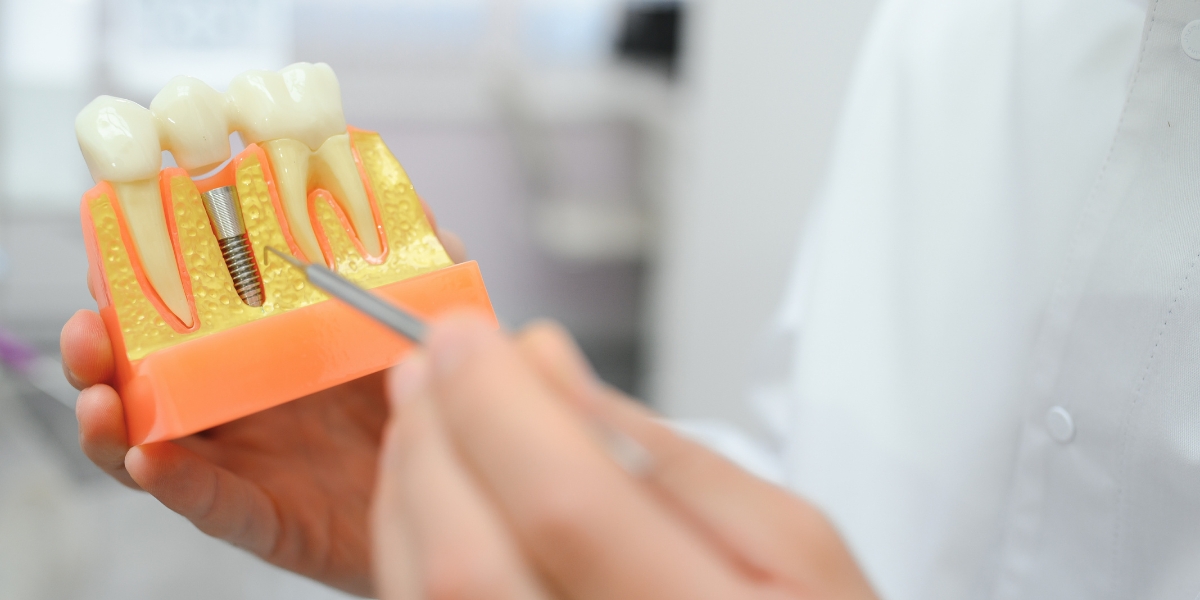
A bridge fills a gap, and dentures replace multiple missing teeth, but neither replaces the actual tooth root. Dental implants are different because they are placed directly into the jawbone, allowing them to function much like natural tooth roots.
Once the implant heals, it becomes part of the foundation that supports your replacement tooth. This connection helps keep the jawbone active and engaged, which is something traditional tooth replacement methods cannot fully provide.
Do Dental Implants Change the Shape of Your Face?
Dental implants don’t reshape your face, but they can help preserve the shape you already have.
Think of your jawbone as the framework that supports the lower half of your face. When that framework begins to shrink, the surrounding tissues lose support. By replacing missing tooth roots, implants help maintain that framework and support the structures around it.
For many patients, this means:
- Better support for the lips
- Improved fullness around the mouth
- A healthier facial profile
- Less risk of a collapsed appearance caused by missing teeth
The goal isn’t to create a different face—it’s to help maintain the one you naturally have.
Looking Like Yourself Again
One of the comments many implant patients make after treatment is that they feel like themselves again.
Missing teeth can change the way you smile, eat, and interact with others. Some people avoid photos or feel self-conscious during conversations. Others become frustrated when chewing certain foods becomes difficult.
Dental implants restore stability and function while creating a natural-looking smile. Because they are designed to blend in with your existing teeth, they don’t draw attention to themselves. Instead, they help restore what was lost.
More Than an Appearance Benefit
While facial support is an important advantage, it is only one part of the story.
Dental implants can also:
- Improve chewing efficiency
- Restore comfortable speech
- Prevent nearby teeth from shifting
- Support long-term oral health
- Provide a secure and stable replacement for missing teeth
Many patients appreciate that implants address both functional and cosmetic concerns at the same time.
A Long-Term Approach to Tooth Replacement
One reason dental implants continue to be a popular choice is their durability. Unlike some alternatives that may need frequent adjustments or replacement, implants are designed to serve as a long-term solution when properly cared for.
Regular brushing, flossing, and professional dental visits help protect both the implant and the surrounding tissues. Maintaining good oral health habits can help patients enjoy the benefits of their implants for many years.
So, Can Dental Implants Lift Your Face?
If you’re expecting the results of a cosmetic facelift, dental implants are not the answer. However, if you’re looking for a tooth replacement option that helps preserve jawbone health and supports your natural facial structure, dental implants can play an important role.
By replacing missing teeth and helping maintain the bone beneath them, implants can reduce some of the changes that often make people appear older after tooth loss. The result is a healthier smile, improved function, and facial support that helps you maintain a more natural appearance.
At Round Lake Family Dentistry, we help patients in Round Lake, IL explore lasting solutions for missing teeth and long-term oral health. Schedule an appointment today to learn whether dental implants are the right choice for restoring your smile and protecting your facial structure.
Frequently Asked Questions
If I replace a missing tooth with an implant, will my face look different?
Many patients notice improved support around the mouth and cheeks after treatment. While implants don’t alter facial features, they can help preserve the structures that contribute to a natural appearance.
Why does bone loss happen after losing a tooth?
The jawbone depends on stimulation from tooth roots. Without that stimulation, the bone in the area may gradually decrease in volume over time.
Are dental implants only recommended for cosmetic reasons?
No. Dental implants are primarily used to restore function, replace missing teeth, and support oral health. The appearance benefits are an added advantage.
Can dentures prevent bone loss like implants?
Traditional dentures replace teeth above the gums but do not replace tooth roots. Because of this, they do not provide the same level of jawbone stimulation as dental implants.
How soon should I consider dental implants after losing a tooth?
Every situation is different, but seeking treatment sooner rather than later may help preserve more of the existing bone and expand your treatment options.