425 North Wilson Rd, Round Lake, IL 60073


What Can I Eat After a Bone Graft?

Recovering from a bone graft takes time, patience, and proper care. Whether the procedure was performed to replace bone lost from gum disease, an injury, or to create enough support for a dental implant, what you eat during recovery can make a noticeable difference. Choosing foods that are gentle on your mouth while providing the nutrients your body needs can help make the healing period more comfortable.
In the first few days, your mouth may feel tender, swollen, or sensitive around the treated area. Chewing can also put unnecessary pressure on the surgical site. For that reason, foods that are soft, smooth, and easy to swallow are generally more comfortable than foods that require a lot of chewing.
Start With Soft, Easy-to-Eat Foods
Your first meals after surgery should be gentle on your mouth. You don’t need to limit yourself to one or two choices, either. There are plenty of nutritious foods that can be prepared in a soft texture.
Some options include:
- Mashed potatoes or mashed sweet potatoes
- Scrambled or softly cooked eggs
- Plain or Greek yogurt
- Unsweetened applesauce
- Cottage cheese
- Soft, flaky fish
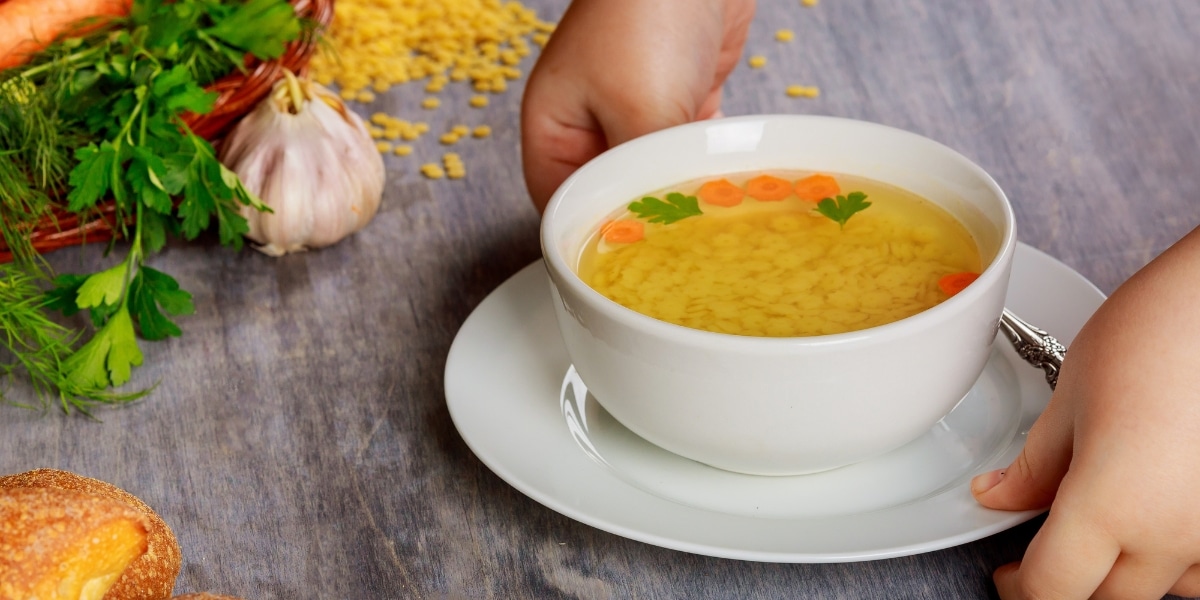
- Smooth soups and broths
- Mashed avocado
- Ripe bananas
- Well-cooked vegetables
These foods can provide calories and nutrients without requiring vigorous chewing. As your mouth becomes more comfortable, you can gradually introduce foods with a little more texture, as long as they don’t interfere with your dentist’s instructions.
Choose Foods That Help Your Body Recover
Getting enough protein is especially important while your body is repairing tissue after surgery. Protein provides building blocks that support tissue maintenance and recovery.
Soft sources of protein can include eggs, Greek yogurt, cottage cheese, tender fish, finely ground chicken or turkey, mashed beans, lentils, and tofu. If chewing is uncomfortable, beans, vegetables, or cooked meats can sometimes be blended into soups or other soft meals.
If you’re looking for bone grafting in Round Lake, your dental team can also provide individualized instructions about eating and caring for the surgical area. Dietary recommendations may vary depending on the type of graft, the location of the procedure, and whether another treatment, such as implant placement, is planned.
Add Vitamins and Minerals to Your Meals
Your body needs a variety of nutrients during the healing process. Rather than relying on one particular food, aim for balanced meals that include fruits, vegetables, protein, and other nutrient-rich ingredients.
Soft fruits such as bananas, melons, peaches, mangoes, and berries can be easier to eat during early recovery. Cooked vegetables, including carrots, spinach, and broccoli, can also be softened enough to make them easier to chew. Leafy greens can be added to a smoothie if chewing fresh vegetables is uncomfortable.
Calcium and vitamin D are also important nutrients for maintaining healthy bones. Depending on your individual dietary needs, foods such as milk, fortified milk alternatives, yogurt, and other calcium-containing foods can be useful additions to your meals.
Keep Yourself Hydrated
Drinking enough fluids is another simple part of supporting recovery. Water is usually the best choice, but other gentle options can include caffeine-free herbal tea, milk, milk alternatives, and clear broths.
Take small, comfortable sips throughout the day rather than waiting until you feel thirsty. Unless your dental professional has given you different instructions, avoid using a straw during the early healing period. The suction created by a straw may disturb the surgical area.
Smoothies Can Make Meals Easier
A well-prepared smoothie can be a convenient way to get several nutrients into one meal when chewing is difficult. You can combine yogurt or milk with soft fruits and other ingredients such as oats, nut butter, or protein powder.
However, be mindful of ingredients that may irritate the surgical area. Very acidic fruits may cause discomfort, particularly when the tissues are still tender. It is also better to drink a smoothie from a cup rather than through a straw during the initial recovery period.
Foods to Avoid After Bone Graft Surgery
Not everything that is nutritious is suitable immediately after oral surgery. Some foods can irritate the treatment area, become trapped around the site, or require too much chewing.
For the early part of recovery, consider avoiding:
- Hard or crunchy foods: Chips, nuts, popcorn, raw vegetables, and similar foods can put pressure on the surgical area.
- Sticky foods: Gum, chewy candy, and dried fruit may cling to the tissues or stitches.
- Spicy foods: Hot peppers and heavily seasoned dishes may cause burning or irritation.
- Highly acidic foods: Citrus, tomatoes, and vinegar-heavy foods can sting sensitive tissue.
- Very hot foods and drinks: High temperatures may make an already tender mouth more uncomfortable.
- Carbonated beverages: Soda and sparkling drinks may cause irritation and are generally best avoided while the area is healing.
- Alcohol: Alcohol may interfere with certain medications and can work against a healthy recovery, so follow your dental professional’s instructions about when it is safe to drink again.
Your dental team may recommend additional restrictions depending on the procedure you received.
Helpful Eating Habits During Recovery
What you eat matters, but how you eat can matter too. Instead of having a few large meals, smaller meals throughout the day may be easier to manage while your mouth is tender.
Try to chew away from the surgical area whenever possible. Take your time while eating, and don’t force yourself to eat something simply because it is normally part of your diet. If a particular food causes pain, sensitivity, or irritation, return to softer choices and try it again later.
Follow your dental team’s instructions for brushing, rinsing, and cleaning around the treated area. If a saltwater rinse has been recommended, use it exactly as directed. Avoid vigorous rinsing or disturbing the surgical site unless your provider specifically tells you to do so.
Give Your Body Time to Heal
It can be tempting to return to your normal diet as soon as you start feeling better, but the surgical area may still be healing beneath the surface. Gradually reintroduce foods instead of immediately returning to hard or crunchy meals.
Rest is also an important part of recovery. Avoid strenuous activity for the period recommended by your dental professional, particularly during the first few days. Following your post-operative instructions can help protect the graft while your body works through the healing process.
Follow Your Dental Professional’s Instructions
There is no single diet that works exactly the same way for every bone graft patient. Your recommendations may depend on the extent of the procedure, the location of the graft, your overall recovery, and whether other dental treatments are involved.
If you’re uncertain about a particular food, medication, or activity, ask your dental team before making changes. Contact the office if you notice unusual or worsening discomfort, significant swelling, persistent bleeding, fever, or other symptoms that concern you.
Final Thoughts
A thoughtful diet, adequate hydration, rest, and careful oral hygiene can all support a more comfortable recovery after bone graft surgery. Most importantly, follow the personalized instructions provided by your dental team, since they know the details of your procedure and can guide you through each stage of healing.
Schedule an appointment with Round Lake Family Dentistry to discuss your dental health and bone grafting needs.
Frequently Asked Questions
Can I drink coffee after a bone graft?
It is generally best to avoid hot coffee during the initial recovery period because heat may irritate the surgical area. Follow your dental professional’s instructions about when to resume coffee. When you are cleared to drink it, allow it to cool rather than consuming it very hot.
How long should I eat soft foods after a bone graft?
Many patients stay with soft foods for several days, but the exact timeframe varies. Your dental professional may recommend continuing a soft diet for longer depending on how the graft is healing. Don’t rush back to hard or crunchy foods before you are advised that it is safe.
Can I drink through a straw after bone graft surgery?
It is usually recommended to avoid straws during the early healing period. The suction involved with drinking through a straw can place stress on the surgical area. Drinking directly from a cup is a safer option during this stage.
What can I eat when I want something with texture?
You can gradually add foods that have a softer texture as your mouth heals. Options may include well-cooked vegetables, soft pasta, tender fish, mashed sweet potatoes, or other foods approved by your dental provider. Avoid anything hard, sharp, or excessively crunchy until the area has healed sufficiently.
What are some easy snacks after a bone graft?
Greek yogurt, cottage cheese, applesauce, mashed avocado, soft fruit, smoothies without a straw, and softly cooked eggs can make convenient snacks. Choose options that are comfortable to eat and provide useful nutrients.
Can I eat spicy food after a bone graft?
Spicy foods may irritate the surgical area while your mouth is sensitive. It is generally better to choose mild foods during the early recovery period and gradually return to spicy dishes once the area is comfortable and your dental professional has given you the go-ahead.
When can I return to my normal diet?
The transition back to a regular diet depends on your individual healing process. As tenderness decreases, you may be able to introduce more foods gradually. Your dental provider can tell you when it is appropriate to resume harder or crunchier foods.