425 North Wilson Rd, Round Lake, IL 60073


Do Dental Veneers Ruin Your Teeth? Facts to Know Before Treatment

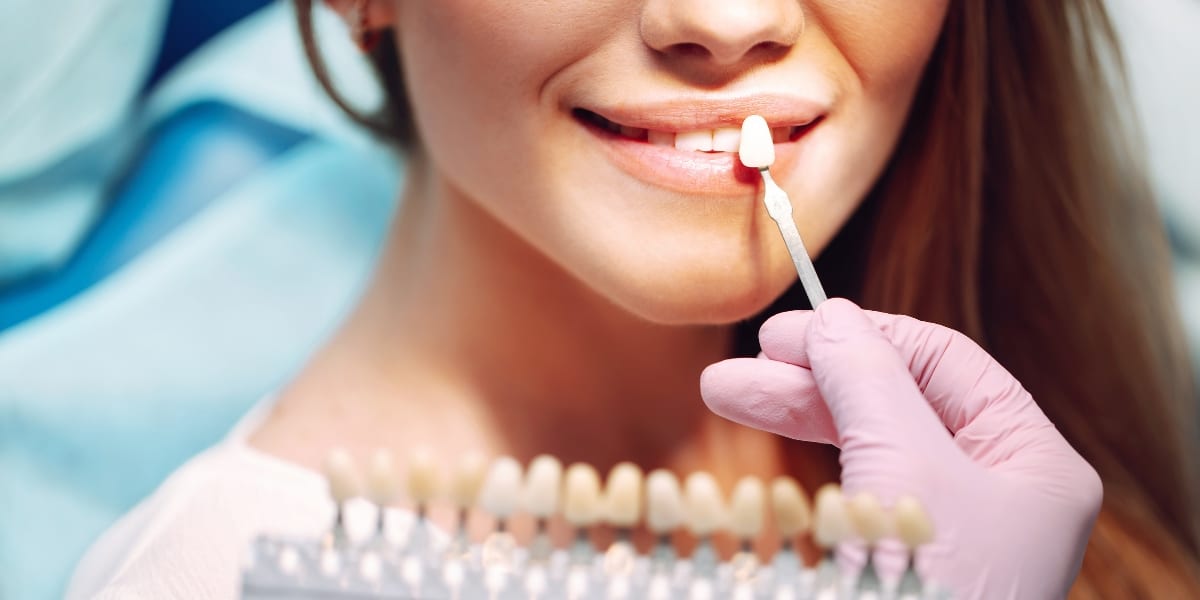
A beautiful smile can make a real difference in how you feel about yourself. But if you are thinking about dental veneers, you may also have an important concern: Do veneers ruin your teeth?
It is a reasonable question. Veneers are designed to improve the appearance of teeth affected by discoloration, chips, gaps, uneven shapes, or other cosmetic concerns. However, because traditional veneers usually require some preparation of the natural tooth, it is important to understand both the benefits and the long-term considerations before moving forward.
For many patients, dental veneers can be a safe and effective cosmetic treatment when recommended for the right situation and properly maintained. The key is understanding what happens to your natural teeth before, during, and after treatment.
Do Veneers Ruin Your Teeth?
The short answer is no, dental veneers do not automatically ruin your teeth. However, traditional veneer treatment typically involves removing a small amount of enamel from the front surface of the tooth to create space for the veneer.
Because enamel does not grow back, this preparation is generally considered irreversible. That means once a tooth has been prepared for a traditional veneer, it will usually need some type of restoration in the future.
This is one reason why a thorough consultation matters. A cosmetic dentist should evaluate your tooth structure, bite, gum health, and overall oral health before recommending veneers.
For patients considering treatment, a visit with a cosmetic dentist Round Lake can help determine whether veneers are appropriate or whether another option may better fit their needs.
Do Veneers Damage Your Teeth?
People often ask, do veneers damage your teeth, especially when they hear that enamel may need to be removed.
The answer depends largely on how the treatment is planned and performed. When teeth are appropriately prepared and veneers are properly bonded, the goal is to preserve as much healthy tooth structure as possible.
Problems are more likely to occur when:
- Too much tooth structure is removed unnecessarily.
- Existing decay or gum disease is not addressed before treatment.
- Veneers are placed on teeth that are not suitable candidates.
- A patient has significant teeth grinding or clenching without appropriate protection.
- Veneers are poorly fitted or become damaged and are not replaced when needed.
The condition of your teeth before treatment also matters. Veneers do not make unhealthy teeth healthy. Cavities, gum inflammation, and other dental concerns should be treated before moving forward with cosmetic work.
This is why choosing treatment should involve more than simply deciding how you want your smile to look. A careful examination can help protect your oral health while planning cosmetic improvements.
Are Veneers Bad for Your Teeth?
In general, veneers are not considered harmful simply because they are veneers. However, they are not the right choice for every patient.
For example, someone with active gum disease, untreated tooth decay, or severe grinding may need other dental care before receiving veneers. In some cases, alternatives such as bonding, orthodontic treatment, or teeth whitening may be more appropriate.
Traditional veneers also come with a long-term commitment because prepared teeth will generally require future restorations. Veneers can wear down, chip, crack, or eventually need replacement.
A good treatment decision should consider both your current cosmetic goals and your long-term dental needs.
Are Veneers Safe?
For appropriate candidates, veneers are safe when they are planned and placed with attention to both function and appearance.
Dental professionals evaluate factors such as:
- The amount of healthy enamel available.
- Your bite and how your teeth come together.
- Signs of clenching or grinding.
- The health of your gums.
- Existing fillings, crowns, or other dental work.
- Your expectations for appearance and maintenance.
According to information provided by the American Dental Association, maintaining regular dental care and addressing oral health concerns plays an important role in protecting your teeth and gums over time.
For patients in the Illinois area, discussing these factors with a cosmetic dentist Round Lake can provide a clearer understanding of whether veneers fit your individual smile and oral health needs.
Benefits of Veneers
While it is important to understand the limitations of treatment, there are also several potential benefits of veneers.
Veneers can help improve the appearance of teeth with:
Discoloration
Some tooth discoloration does not respond as well to traditional whitening. Veneers can cover certain types of deep staining while creating a more uniform appearance.
Chips and Minor Wear
Small chips, worn edges, and uneven tooth shapes can often be improved with carefully designed veneers.
Gaps Between Teeth
For some patients, veneers may help close small spaces and create better visual balance without orthodontic treatment.
A More Consistent Smile
Veneers can improve the shape, size, and color of multiple teeth at the same time. This allows treatment to focus on overall smile harmony rather than making changes to just one concern.
The potential results depend on the condition of your teeth and the treatment plan. A consultation at Round Lake Family Dentistry can help determine what level of improvement is realistic for your smile.
Understanding the Long-Term Commitment
One of the most important things to understand about traditional dental veneers is that they are not usually a one-time procedure for life.
Veneers are durable, but they are not indestructible. Their lifespan can vary depending on factors such as oral hygiene, biting habits, material, and general wear over time.
From a practical perspective, the treatment should be viewed as a long-term dental investment rather than a permanent, maintenance-free solution.
For example, someone who brushes twice a day, attends regular dental visits, and uses a nightguard when recommended may place less stress on their veneers than someone who frequently bites hard objects or grinds their teeth without protection.
That is why a treatment discussion with a cosmetic dentist should include not only how veneers may look immediately after placement but also what future maintenance and replacement could involve.
Veneer Maintenance: How to Care for Your Smile
Good veneer maintenance can help protect both your veneers and your natural teeth.
Daily care typically includes:
- Brushing your teeth twice a day.
- Cleaning between your teeth daily.
- Attending regular dental exams and cleanings.
- Avoiding using your teeth to open packages or bite hard objects.
- Wearing a protective nightguard if you grind or clench your teeth.
- Addressing any looseness, chips, or changes in your bite promptly.
Veneers cover the front surface of a tooth, but the remaining tooth structure and surrounding gums still need regular care. Tooth decay and gum problems can still develop if oral hygiene is neglected.
In other words, veneers can improve a smile, but they do not replace the need for preventive dental care.
How to Know if Dental Veneers Are Right for You
The best candidates for dental veneers generally have healthy teeth and gums and want to address cosmetic concerns that veneers can reasonably improve.
During a consultation, your dental team may evaluate:
Your Oral Health
Any cavities, gum disease, or other active concerns may need treatment first.
Your Bite
A strong or uneven bite can place extra pressure on veneers. Addressing bite-related concerns may help protect your investment.
Your Cosmetic Goals
Photos, digital planning, or other evaluation methods may help communicate what changes are possible.
Your Long-Term Expectations
Because traditional veneers may eventually need replacement, understanding the future commitment is an important part of making an informed decision.
Discussing your concerns openly can help create a treatment plan that considers both your smile goals and your natural tooth structure.
The Bottom Line
Dental veneers do not automatically ruin healthy teeth, but they do require thoughtful planning and a clear understanding of the long-term commitment involved. Traditional veneers may require permanent enamel removal, and veneers will eventually need monitoring and, in many cases, replacement.
The best approach is to look beyond before-and-after photos and consider the health of your teeth, gums, bite, and long-term goals. A conversation with a cosmetic dentist Round Lake can help you understand whether veneers are appropriate for your situation and whether other cosmetic options should also be considered.
If you are thinking about improving your smile and want answers tailored to your teeth, Round Lake Family Dentistry can help you explore your options with your long-term oral health in mind.
Schedule an appointment to discuss whether dental veneers are the right choice for your smile.
Frequently Asked Questions
Do veneers ruin your teeth permanently?
Traditional veneers usually require the removal of a small amount of enamel, and enamel does not grow back. However, this does not mean veneers automatically ruin teeth. Proper planning and conservative preparation can help preserve healthy tooth structure.
Do veneers damage your teeth underneath?
Veneers themselves do not necessarily damage the teeth underneath. However, poor oral hygiene can still lead to decay or gum problems around restored teeth. Regular dental care is important.
Are veneers bad for your teeth in the long run?
Veneers can be a suitable long-term option for appropriate candidates, but they may eventually need replacement. Your oral hygiene, bite, grinding habits, and overall dental health can affect how well they perform over time.
Are veneers safe?
Yes, veneers can be safe when treatment is appropriate for the patient and planned around healthy tooth structure, gum health, and bite function.
How long do dental veneers last?
The lifespan varies depending on the veneer material, oral hygiene, biting habits, and other factors. Regular dental visits can help monitor their condition and identify concerns early.
Can you go back to natural teeth after veneers?
With traditional veneers, the tooth preparation process is generally irreversible because some enamel may be removed. If a veneer is removed or replaced, the prepared tooth will typically need another restoration.
Do veneers require special maintenance?
Veneers do not usually require complicated care, but good veneer maintenance is essential. Brushing, flossing, regular dental visits, and protecting your teeth from excessive force can help maintain your smile.