425 North Wilson Rd, Round Lake, IL 60073


What Is CEREC Treatment And How Does It Help To Restore Decayed Teeth

A decayed tooth can start as a minor annoyance. Maybe it feels sensitive when you drink something cold, or you notice a small dark spot that wasn’t there before. Over time, however, decay can weaken the tooth and make everyday things like eating uncomfortable. When a tooth has lost too much structure for a regular filling, a crown may be recommended to protect it.
CEREC crowns offer a modern way to restore certain damaged or decayed teeth. Instead of waiting for a dental laboratory to make a crown, CEREC technology allows a dentist to digitally scan, design, and create the restoration in the dental office. In many suitable cases, the entire process can be completed in one visit.
For busy patients in Round Lake, IL, that can make restoring a damaged tooth much easier to fit into everyday life.
What Is CEREC Treatment?
CEREC is a dental technology that uses digital scanning and computer-aided design to create restorations such as crowns. The process starts with a detailed digital scan of your tooth rather than a traditional impression.
Your dentist uses that information to create a virtual model of the restoration. The crown is then made from a dental ceramic material using specialized equipment in the office.
The process generally includes:
- Examining the damaged tooth
- Removing decay and preparing the tooth
- Taking digital impressions
- Designing the crown on a computer
- Creating the restoration in the office
- Checking the fit and bite
- Bonding the crown to the tooth
Because the crown can often be made on-site, CEREC may provide a same-day dental crown for patients who are good candidates.
How Can CEREC Help Restore a Decayed Tooth?
The purpose of any crown is to restore a tooth that has become too weak or damaged to function properly with a filling alone. CEREC simply changes how that crown can be designed and produced.
It Can Restore the Shape of a Damaged Tooth
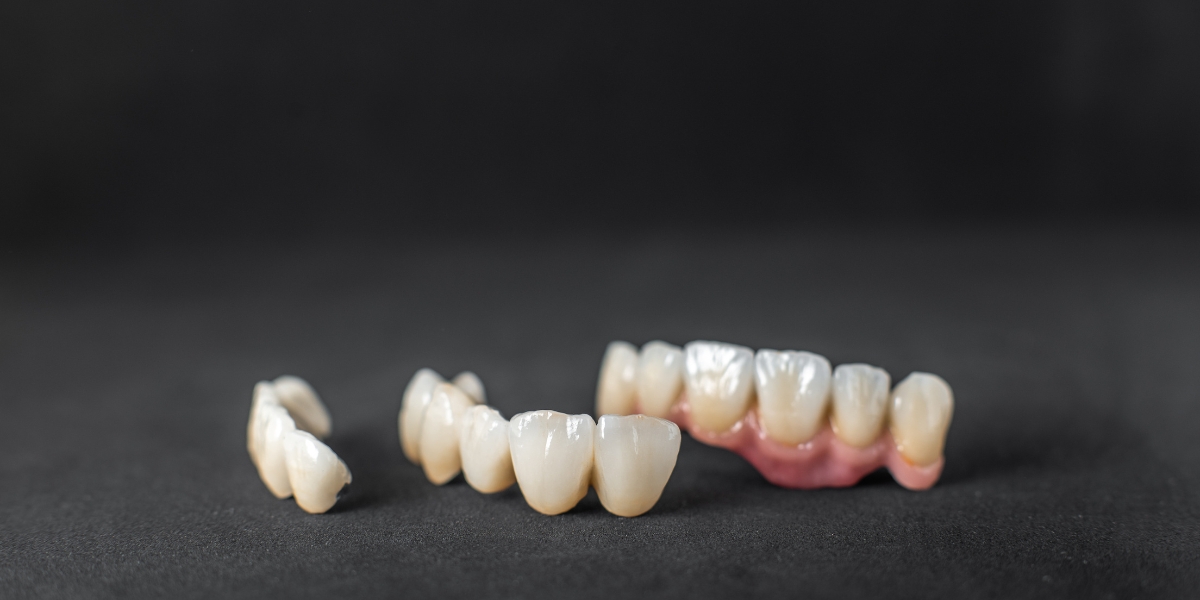
When decay removes a significant amount of tooth structure, the tooth may no longer have enough strength to handle normal chewing forces. A crown covers the prepared tooth and restores its shape and function.
Before recommending a crown, the dentist needs to determine whether the tooth is healthy enough to support one. If decay has reached the pulp and caused an infection, root canal treatment may be needed before the tooth is restored.
Digital Scanning Makes the Process More Convenient
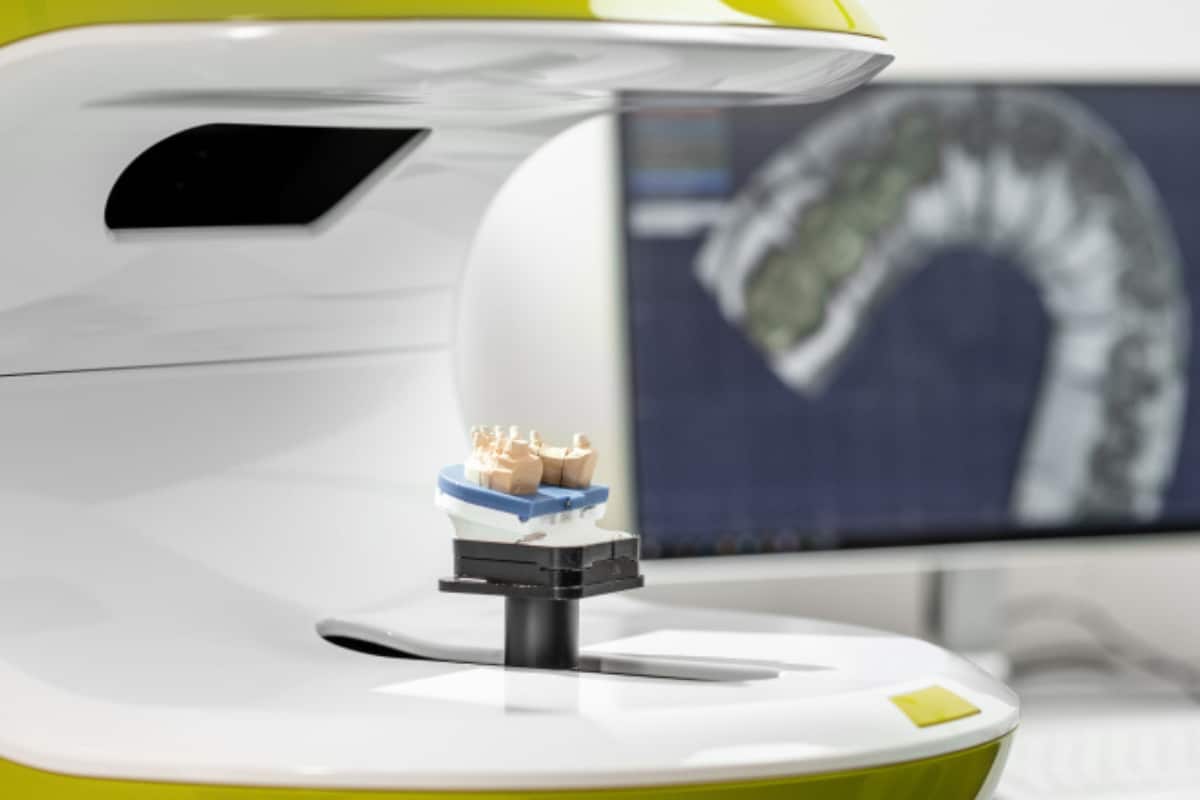
One of the biggest differences with CEREC is the use of digital impressions. A small scanning device captures detailed images of the tooth and surrounding area, creating a digital model that can be used to plan the restoration.
For patients who dislike traditional impression material, this can be a more comfortable experience. It also gives the dental team a digital view of the area while designing the crown.
The Crown Is Designed for the Individual Tooth
Every mouth is different, and a restoration needs to work with the teeth around it. With CEREC, the crown is digitally designed based on the patient’s tooth and bite.
This allows the dentist to assess the restoration before it is placed and make adjustments when needed.
What Happens During a CEREC Appointment?
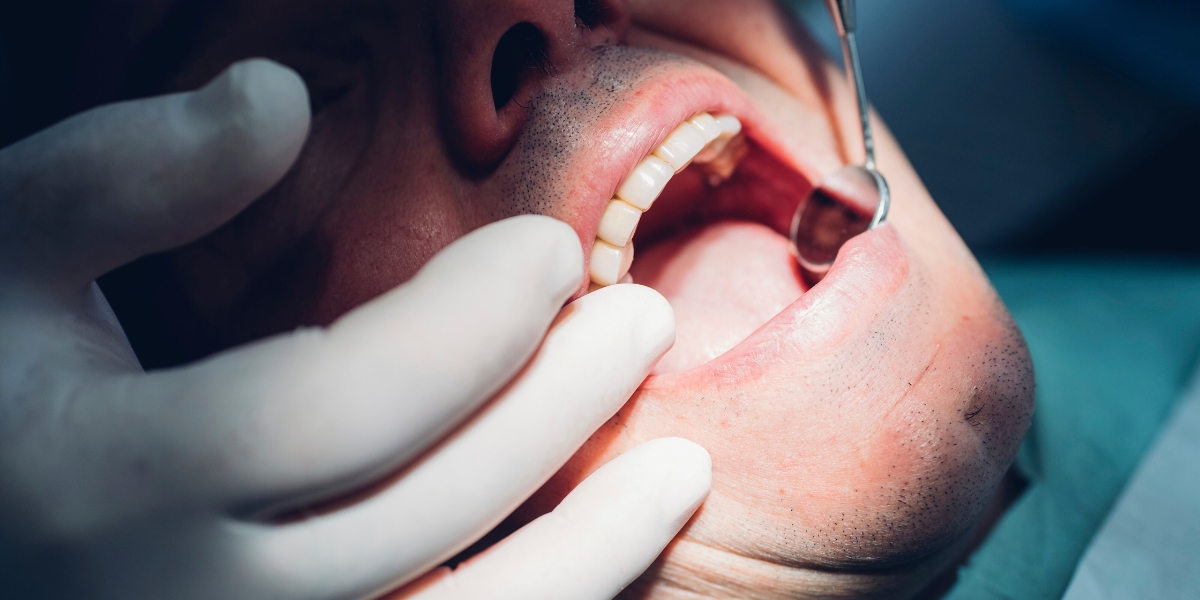
The appointment usually begins with an examination of the tooth. Depending on the situation, your dentist may take X-rays to determine how much damage has occurred.
Once the treatment plan is established, the decayed or damaged portions of the tooth are removed. The remaining tooth is shaped so it can support the crown.
Next comes the digital scan. The information from the scan is used to create a virtual model, and the dentist designs the crown to fit the prepared tooth.
The restoration is then produced using the CEREC equipment. Before it is permanently placed, the dentist checks its fit, appearance, and relationship with your bite.
If everything looks right, the crown is bonded to the tooth.
Not every CEREC case can be completed in one appointment. More complicated situations may require additional treatment or a different type of restoration.
Is a CEREC Crown Suitable for Everyone?
CEREC can be a convenient option, but it isn’t automatically the right choice for every patient.
The condition of the tooth matters most. A tooth with extensive decay, severe damage, an infection, or too little healthy structure remaining may need additional treatment before it can be restored.
Your dentist may recommend a filling, crown, root canal treatment, or another solution depending on what they find.
The goal isn’t simply to finish treatment quickly. It’s to choose a restoration that gives the tooth the support it needs for normal use.
How Can You Protect Your Restored Tooth?
A crown doesn’t prevent the rest of your mouth from developing cavities. The natural tooth underneath and around the restoration still needs regular care.
A few everyday habits can help:
- Brush twice a day with fluoride toothpaste.
- Clean between your teeth every day.
- Keep sugary foods and drinks to a reasonable level.
- Don’t use your teeth to open packages or chew hard objects.
- Keep up with regular dental checkups.
- Tell your dentist if the crown becomes loose, uncomfortable, or sensitive.
The American Dental Association recommends maintaining good daily oral hygiene and addressing dental problems before they become more serious.
CEREC Treatment for Patients in Round Lake, IL
For someone in Round Lake, IL, finding time for several dental appointments isn’t always easy. Work, school, family responsibilities, and other commitments can make traditional restorative treatment difficult to schedule.
That’s one reason CEREC treatment can be appealing. When a patient is a good candidate, having the restoration designed and made in the office may reduce the number of appointments needed.
If you’ve been searching for a dentist near me because of a painful, sensitive, or damaged tooth, an examination is a good place to start. You may be dealing with a problem that can be treated before it becomes more extensive.
At Round Lake Family Dentistry, your dentist can examine the tooth and discuss whether a CEREC restoration or another treatment would be appropriate for you.
Restoring a Tooth Before the Problem Grows
A decayed tooth doesn’t necessarily have to become a lost tooth. When treatment is provided at the right time, a damaged tooth may be restored and protected for continued use.
CEREC technology gives eligible patients another option for rebuilding weakened teeth, with digital planning and the potential for a same-day restoration. Whether CEREC is right for you depends on the condition of your tooth and your dentist’s evaluation.
If you’re noticing sensitivity, pain, a visible cavity, or a broken area of a tooth, don’t wait for it to become harder to manage. Round Lake Family Dentistry can help you understand your treatment options. Schedule an appointment today!
Frequently Asked Questions
How long does a CEREC crown take?
Many suitable cases can be completed in one appointment, although the actual treatment time depends on the tooth, the condition of your mouth, and the restoration being made.
Can CEREC be used for a badly decayed tooth?
It may be possible if enough healthy tooth structure remains. If decay has caused an infection or extensive structural damage, additional treatment may be necessary first.
Are CEREC crowns made from real ceramic?
CEREC restorations can be produced from dental ceramic materials designed for use in restorative dentistry. Your dentist can explain which material is appropriate for your particular tooth.
Do CEREC crowns look natural?
They are designed to resemble natural teeth in shape and appearance. Your dentist will consider the surrounding teeth when selecting and adjusting the restoration.
Is a same-day crown always the best choice?
No. Same-day treatment can be convenient, but convenience isn’t the only consideration. The condition and location of the tooth, your bite, and your overall dental needs should guide the treatment decision.